
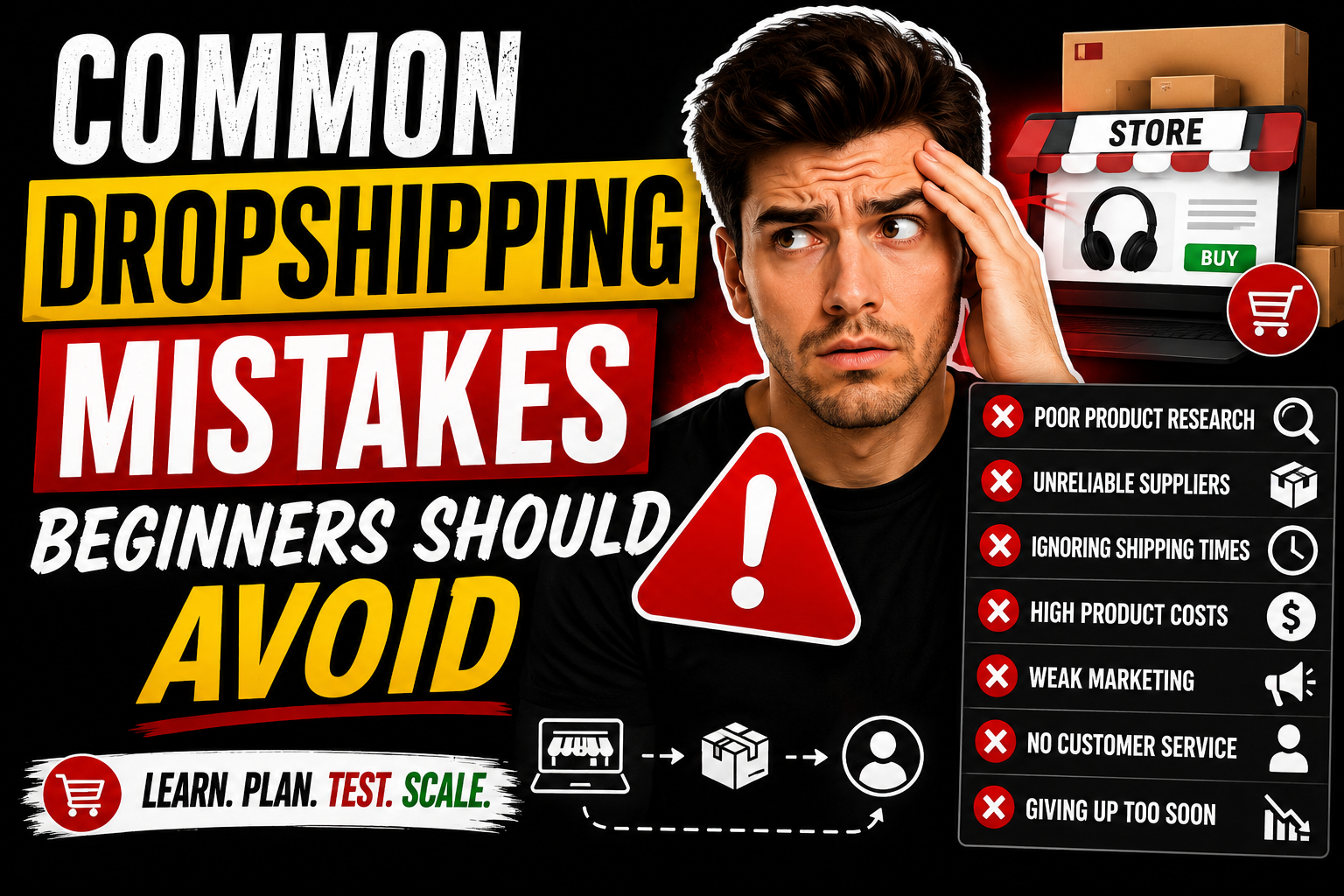
Introduction to Dropshipping
- Dropshipping is a retail fulfillment method that allows entrepreneurs to sell products directly to consumers without the need to physically stock or manage inventory. When a business owner receives an order from a customer, they simply place the order with their supplier, who then ships the product directly to the buyer. This streamlined process eliminates the requirements for the retailer to handle the product, making it an attractive business model for those looking to enter the e-commerce sector.
- The dropshipping model has gained significant popularity in recent years, particularly among aspiring entrepreneurs seeking a low-risk entry into business. One of the primary benefits of dropshipping is that it minimizes upfront investment costs. Entrepreneurs do not need to purchase inventory in advance or invest in warehousing solutions, allowing for greater cash flow flexibility. Instead, they can allocate resources towards marketing and customer acquisition, crucial elements for growth in a competitive market.
- Moreover, dropshipping offers a wide range of product choices. Retailers can easily test various products and niches without the risks associated with traditional retail models. Additionally, the ability to leverage suppliers from around the globe enables dropshippers to source unique products that may appeal to diverse customer bases.
- Efficiently managing order fulfillment is another critical aspect of the dropshipping business model. Entrepreneurs must establish a robust relationship with reliable suppliers to ensure timely delivery and quality control. While dropshipping alleviates the burden of inventory management, effective communication and operational oversight are essential to maintain customer satisfaction.
- As more individuals explore entrepreneurial opportunities online, understanding the fundamentals of dropshipping will be vital. This business model empowers newcomers to engage in e-commerce without substantial financial risk, making it a compelling choice for many looking to launch their careers in online retail.
Mistake 1: Choosing the Wrong Niche
- In the world of dropshipping, selecting an appropriate niche is crucial to the success of an enterprise. A dropshipping business predominantly relies on the products offered, and thus, choosing the right niche can significantly influence overall performance. Beginners often commit the mistake of pursuing niches based solely on personal interests or perceived trends without evaluating market demand or competition comprehensively.
- To effectively assess a niche, one must start with market research. This involves identifying products that are not only in high demand but also possess manageable levels of competition. Tools such as Google Trends can inform aspiring dropshippers about the popularity of certain products over time, allowing for more informed decision-making. Additionally, platforms like social media and online forums provide insights into consumer preferences and emerging trends.
- Another valuable approach is to analyze competitors within the chosen niche. By researching established competitors, beginners can gain insights into pricing strategies, target demographics, and marketing efforts. This understanding helps inform your business decisions and allows for identifying gaps in the market where differentiation can occur.
- Furthermore, evaluating personal interests is essential but should not be the sole determinant of niche selection. A niche that combines both passion and market viability is often the most rewarding. Beginners should ideally select a niche that aligns with their interests while also ensuring there is demand and opportunity for profitability.
- Avoiding the common pitfalls associated with poor niche selection requires diligence and thorough research. By taking the time to understand the nuances of market demand and competition, beginners stand a greater chance of establishing a successful dropshipping business.
Mistake 2: Ignoring Supplier Reliability
- In the dropshipping business model, suppliers play a pivotal role that directly impacts both the operation and reputation of an online store. Ignoring supplier reliability can lead to a cascade of issues including delayed shipments, poor product quality, and ultimately, customer dissatisfaction. As a beginner, it is essential to evaluate potential suppliers thoroughly to mitigate these risks.
- A reliable supplier typically showcases certain key qualities. Firstly, they should have a proven track record of timely order fulfillment and accurate inventory management. This reliability is crucial as it allows you to maintain a consistent flow of products to your customers. Secondly, quality assurance must not be overlooked. A trustworthy supplier will facilitate product samples and provide detailed information about their goods to ensure they meet your standards.
- Additionally, a responsive and communicative supplier can significantly enhance your business operations. Establishing a strong relationship involves regular communication and transparency. Engaging with your supplier through multiple channels—be it emails, phone calls, or dedicated messaging platforms—will help in quickly resolving issues and preventing misunderstandings.
- On the contrary, selecting untrustworthy suppliers can pose serious threats to your brand. They might deliver faulty products, leading to customer complaints and potential returns. Moreover, if a supplier fails to deliver on their promises, the customer is likely to blame your store, damaging your reputation and reducing customer trust.
- In conclusion, prioritizing supplier reliability is one of the essential steps to building a successful dropshipping business. By focusing on finding trustworthy suppliers, beginners can avoid common pitfalls that could undermine their efforts and ensure customer satisfaction remains high.
Importance of Website Design and User Experience
- In the realm of dropshipping, a well-designed website plays a crucial role in attracting potential customers and retaining their interest. Aesthetics aside, the overall layout of an e-commerce site must be intuitive, allowing visitors to navigate effortlessly. When users encounter a poorly structured website, their probability of leaving the site increases significantly, leading to a higher bounce rate, which reflects negatively on the business.
- Navigation is a key component in ensuring the user experience is smooth. A logical flow that allows customers to easily find products is indispensable. Categories should be clearly defined, and search functionalities should be prominently featured to facilitate quick access to items. Additionally, implementing breadcrumb trails can help users understand their location within the site, further enhancing usability.
- Mobile optimization is another vital aspect of website design that cannot be overlooked. With an increasing number of consumers accessing online stores via smartphones, mobile responsiveness is essential. A site that is not mobile-friendly can deter a significant portion of potential customers. Ensuring that the website scales appropriately for various screen sizes while maintaining usability is a fundamental requirement in today’s e-commerce landscape.
- Furthermore, incorporating features that boost user engagement can significantly decrease bounce rates. Elements such as live chat, customer reviews, and well-placed call-to-action buttons can provide customers with a more interactive experience. These features not only enhance the browsing experience but also foster a relationship of trust and reliability between the customer and the retailer. Overall, investing time and resources into website design and user experience is not just beneficial but vital for the success of a dropshipping business.
Mistake 4: Neglecting Customer Service
- In the world of dropshipping, customer service plays a pivotal role in establishing a loyal customer base and ensuring the long-term success of your business. Unfortunately, many beginners tend to overlook this crucial element, often leading to negative customer experiences and repercussions on their reputation. Effective customer service not only addresses inquiries and complaints but also enhances overall customer satisfaction, which is vital for repeat business.
- Common customer service mistakes include slow response times, lack of follow-up, and inadequate handling of complaints. For instance, failing to respond promptly to customer inquiries can create a perception of neglect and lead potential customers to seek alternatives. Similarly, ignoring complaints or providing insufficient resolutions can result in negative reviews that tarnish your brand's image. To prevent these pitfalls, it is essential to implement best practices that prioritize customer inquiries.
- Best practices for handling customer inquiries include timely responses, personalizing communication, and actively listening to customer feedback. Establishing a clear and efficient communication channel—whether through email, live chat, or social media—ensures that customers can easily reach out for assistance. Additionally, training customer service representatives to handle complaints with empathy and professionalism can turn potentially negative experiences into positive ones.
- Implementing an effective customer service strategy not only improves retention rates but also promotes positive word-of-mouth marketing. Satisfied customers are more likely to leave favorable reviews and recommend your dropshipping business to others. By making customer service a priority, you will build a solid reputation and create lasting relationships with your clientele, which is essential for the sustainability of your dropshipping venture.
Mistake 5: Underestimating Marketing and SEO
- In the realm of dropshipping, one of the most significant missteps that beginners frequently make is underestimating the importance of a well-rounded marketing strategy and effective search engine optimization (SEO) practices. Establishing a dropshipping store is only the initial step; driving traffic and converting that traffic into sales requires a thoughtful marketing approach.
- A cohesive marketing strategy encompasses a variety of channels, including social media, email marketing, content marketing, and pay-per-click advertising. Each of these channels offers unique opportunities to promote products and engage with potential customers. Social media platforms not only help in creating brand awareness but also allow for direct interactions with consumers, leading to increased customer loyalty and trust. Likewise, email marketing remains a powerful tool for nurturing leads and encouraging repeat purchases through personalized content and promotions.
- When it comes to SEO, the central goal is to enhance the visibility of the dropshipping store in search engine results. Implementing effective SEO strategies involves conducting thorough keyword research to identify the terms and phrases that prospective customers are using. Utilizing these keywords organically within the website content, product descriptions, and blog articles can significantly improve the chances of ranking higher in search results. Moreover, attention should be paid to technical aspects of SEO, such as site loading speed, mobile-friendliness, and proper use of meta tags, all of which can influence search engine rankings.
- Furthermore, content marketing should not be overlooked as a means of boosting SEO and establishing authority in the niche market. Valuable, informative content not only engages visitors but also attracts backlinks, which are crucial for enhancing domain authority. In conclusion, neglecting marketing and SEO can severely hinder a dropshipping business. It is imperative for newcomers to recognize their significance in fostering both traffic and brand recognition, ultimately leading to a successful venture.
Mistake 6: Failing to Track Finances and Metrics
- In the realm of dropshipping, maintaining a vigilant overview of finances and performance metrics is paramount to sustaining profitability and fostering growth. One of the common mistakes made by beginners is neglecting to effectively track these critical components, which can lead to financial mismanagement and ultimately business failure.
- Monitoring key financial metrics is essential for assessing your dropshipping business's health. Key performance indicators (KPIs) such as profit margins, return on investment (ROI), and customer acquisition costs are integral to understanding where your business stands financially. Profit margins, for instance, reveal the proportion of revenue that remains after accounting for the cost of goods sold. A low margin might signal the need to reassess product pricing or supplier agreements, thus affecting overall profitability.
- Another crucial metric is the customer acquisition cost. Understanding how much you spend on marketing to gain each customer can inform your expenditure decisions and, in turn, your marketing strategy. If the costs exceed the value derived from each customer over their lifetime (commonly referred to as customer lifetime value), your business model may need reevaluation.
- To efficiently manage finances in a dropshipping business, utilizing reliable financial management tools is advisable. Applications such as QuickBooks or FreshBooks can streamline tracking expenses, revenues, and other financial metrics. Additionally, analytics tools can provide insights into sales performance and customer behavior, which are necessary for informed decision-making.
- Incorporating regular financial reviews into your business routines will ensure you remain mindful of your financial health. By diligently tracking finances and metrics, you position your dropshipping business for long-term success, enabling you to navigate challenges and capitalize on growth opportunities effectively.
Mistake 7: Not Staying Updated with Industry Trends
- In the fast-evolving landscape of dropshipping, one critical mistake that many beginners make is not staying informed about industry trends. Failing to keep abreast of market changes can lead to missed opportunities and losses, as the retail environment is continually influenced by consumer preferences, technological advancements, and competitive dynamics. For dropshippers, being out of touch with these trends can result in stocking irrelevant products, ineffective marketing strategies, and ultimately, a decline in sales.
- To effectively stay updated, dropshippers should regularly consume industry-related content, such as blogs, podcasts, and newsletters that focus on e-commerce and dropshipping specifically. Following key industry influencers on social media platforms can also provide valuable insights and current market sentiments. Moreover, participation in online forums or communities can facilitate networking and knowledge sharing, which further enhances one’s understanding of emerging trends.
- The potential impacts of market shifts are significant. For instance, changes in consumer behavior during economic downturns or shifts towards sustainable and ethical products can influence product selection and supply chain decisions. Consequently, dropshippers need to demonstrate adaptability, adjusting their business models and product offerings in response to these shifts. A proactive approach includes regularly analyzing sales data and customer feedback to identify patterns that warrant a strategic pivot.
- Finally, embracing adaptability can turn potential challenges into advantages. Brands that swiftly react to industry changes are often perceived as leaders, attracting more customers and fostering loyalty. Being well-informed empowers dropshippers to make strategic decisions that not only align with current market needs but also position their business for long-term success in the ever-changing retail landscape.
Conclusion: Learning from Mistakes to Succeed
- In the dynamic world of dropshipping, learning from mistakes is crucial for success. Many beginners encounter common pitfalls that can hinder their progress. These errors often stem from lack of research, poor supplier communication, and inadequate marketing strategies. However, acknowledging these mistakes can serve as a valuable learning opportunity. By identifying the specific areas where errors occur, beginners can implement strategies that bolster their understanding of the dropshipping business model.
- To thrive in dropshipping, it is essential to adopt a proactive approach to problem-solving. This means not only rectifying past mistakes but also anticipating potential challenges that may arise in the future. Utilizing available resources, such as online courses, community forums, and expert blogs, can significantly enhance one’s knowledge base. Engaging with these resources provides insights that can prevent beginners from repeating errors and can foster effective solutions to emerging problems.
- Continuous learning must be a fundamental part of every aspiring dropshipper's journey. The industry is ever-evolving, and staying updated with market trends, customer preferences, and new technologies is essential. By being adaptable and willing to learn, beginners can develop a flexible strategy that accommodates changes in the marketplace. Ultimately, the willingness to learn from common mistakes, coupled with a commitment to personal and professional growth, will position newcomers for success in the competitive dropshipping landscape.
Login or create account to leave comments

Comments (0)