
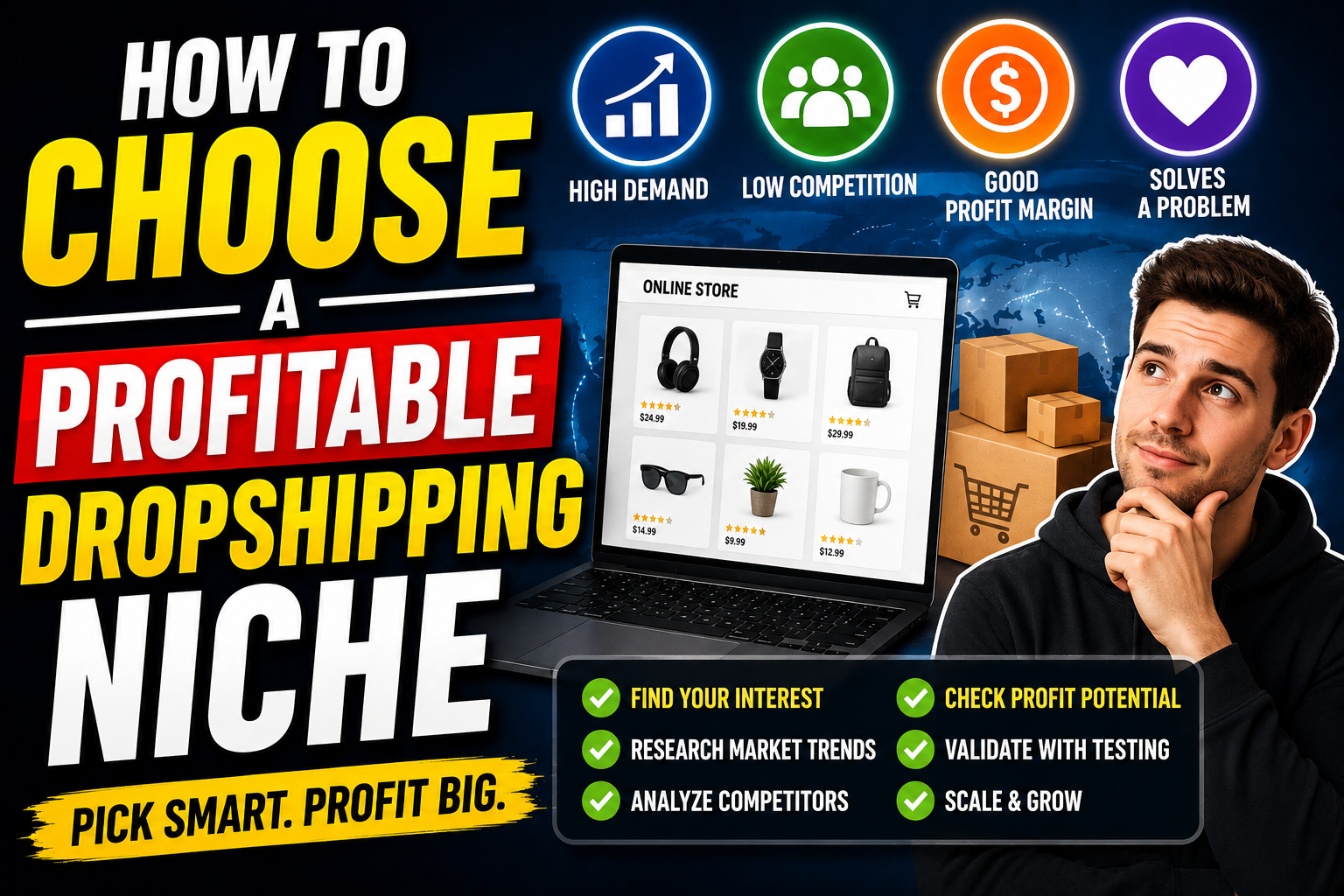
Understanding Dropshipping
- Dropshipping is a retail fulfillment method that allows entrepreneurs to sell products without maintaining an inventory. In this model, when a customer places an order on a retailer's e-commerce site, the retailer, who acts as an intermediary, purchases the item from a third-party supplier. The supplier then ships the product directly to the customer. This simplifies the sales process considerably, allowing retailers to focus on marketing and customer service rather than on stocked goods.
- The roles in dropshipping can be categorized mainly into three groups: the supplier, the retailer, and the customer. The supplier is responsible for manufacturing and storing products, as well as handling shipping and returns. The retailer is the face of the business, handling online sales, customer interactions, and marketing efforts. Customers enjoy a wide range of products from various retailers without being aware of the underlying logistics, as shipments come directly from suppliers.
- One of the primary advantages of the dropshipping model is its low startup costs. Since there is no need to invest in bulk inventory, aspiring entrepreneurs can launch online stores with minimal financial risk. Additionally, this flexibility allows businesses to adapt their product offerings based on market trends and customer demand without the constraints of upfront inventory costs.
- However, dropshipping also presents certain challenges. Retailers often face lower profit margins compared to traditional retail models due to the cost of purchasing individual items from suppliers. Moreover, reliance on suppliers can lead to issues with product quality, shipping times, and inventory availability, which may ultimately impact customer satisfaction. It is essential to weigh these advantages and disadvantages when considering a dropshipping business model in the competitive e-commerce landscape.
The Importance of a Niche in Dropshipping
- Selecting the right niche is a critical factor in establishing a successful dropshipping business. A well-defined niche allows entrepreneurs to target a specific audience, enabling more tailored marketing strategies and improving engagement rates. By concentrating on a narrower market segment, dropshippers can create a community around their selected products, which fosters brand loyalty and increases repeat purchases.
- Having a niche also aids in reducing competition. In a highly saturated market, offering a broad range of products can lead to overwhelming competition, making it difficult for small businesses to thrive. By focusing on a specific niche, dropshippers can position themselves as specialists. This expertise not only helps in understanding customer needs better but also plays a key role in building trust with potential buyers.
- Furthermore, a defined niche can enhance marketing efforts. It allows dropshippers to create customized campaigns that resonate with their target audience. For instance, using tailored messaging, images, and promotional strategies that reflect the interests and behaviors of a specific demographic can result in higher conversion rates. In contrast, generic marketing approaches often yield diluted results, particularly in crowded marketplaces.
- Another significant benefit of selecting a niche is the potential for maximizing profit margins. Niche products may allow for higher markups as they often cater to passionate consumers willing to pay more for specialty items. By investing time in research to identify trending products within a niche, dropshippers can gain a competitive edge and exploit market gaps that larger retailers might overlook. This strategic focus not only positions them favorably in the industry but also enhances overall profitability.
Analyzing Market Trends
- One of the key elements for aspiring dropshippers to consider when selecting a profitable niche is the trend dynamics within the market. Recognizing and understanding these trends can lead to lucrative opportunities, guiding sellers to products that are in high demand. Numerous tools and resources are available to aid in this crucial phase of research.
- To begin, utilizing Google Trends is an effective way to monitor the popularity of specific products or categories over time. By entering different keywords related to potential products, dropshippers can visualize their interest levels across different regions and gauge seasonal trends. This insight can assist in identifying niches that are currently gaining traction or those that are set to emerge.
- Additionally, platforms like SEMrush or Ahrefs provide comprehensive analytics on keyword search volumes, allowing dropshippers to explore what potential customers are actively searching for. These tools also offer competitor analysis, which helps in recognizing existing players in the market and understanding their strategies.
- Social media platforms, particularly Instagram and Pinterest, also serve as rich resources for spotting emerging trends. Observing the types of products featured by influencers or popular accounts can shed light on what consumers are currently interested in. Participating in relevant online communities or forums can further enhance understanding, as discussions often highlight consumer preferences and emerging demands.
- Moreover, examining e-commerce platforms such as Amazon or eBay can also reveal best-selling items, offering a peek into what is driving the market. By staying abreast of these marketplaces, dropshippers can make informed decisions regarding their product offerings.
- In conclusion, analyzing market trends is vital for dropshippers seeking to select a profitable niche. By leveraging various tools and resources, individuals can position themselves strategically in the market, ensuring alignment with consumer demand and optimizing their chances for success.
Identifying Your Interests and Expertise
- When venturing into the realm of dropshipping, the significance of selecting a niche that resonates with your personal interests and expertise cannot be overstated. This foundational step serves not only as a catalyst for sustained motivation but also enhances the potential for creating authentic marketing strategies. Engaging in a niche that you are passionate about allows for a more gratifying and productive experience, both for the entrepreneur and the consumers.
- To effectively identify your interests, consider taking a moment for self-reflection. What are the subjects that excite you? Which hobbies do you devote your time to? By examining these areas, you can uncover potential niches that align with your passion. Furthermore, your expertise in specific industries or fields can also serve as a significant advantage. Your knowledge will not only allow you to curate products more effectively but also to communicate authentically with your target audience.
- Utilizing your interests in your marketing efforts can lead to more genuine customer interactions. For instance, if you have a strong affinity for fitness, establishing a dropshipping business in fitness gear or supplements can lead to engaging content creation that resonates with health-conscious consumers. This connection to the niche may inspire you to create informative blogs, videos, or social media posts that can engage an audience in a meaningful way.
- By tapping into your interests and expertise, you inherently position yourself to better understand your target market. Ultimately, this knowledge can lead to an enriched customer experience, higher engagement levels, and potentially enhanced sales performance. A strong alignment of personal passion with your dropshipping niche creates a framework for success and satisfaction in your entrepreneurial journey.
Evaluating Profitability Potential
- When embarking on a dropshipping venture, assessing the profitability potential of various niches is crucial for long-term success. A variety of factors can influence the financial viability of any given niche, starting with the initial product costs. Understanding the cost to acquire items is paramount. Lower product costs can substantially improve profit margins, hence careful sourcing and supplier evaluation should be a priority.
- Another essential consideration is shipping fees. For dropshippers, these fees can significantly affect profitability. It is vital to analyze the shipping costs associated with each product within a niche. If a product demands exorbitant shipping fees, it might deter potential customers. Comparing shipping options and negotiating with suppliers can prevent overpricing that ultimately drives customers away.
- Furthermore, developing effective pricing strategies is essential. Employing psychological pricing techniques, like setting the price just below a round number, can entice customers and positively affect sales volume. In addition to this, research into competitors’ pricing can offer insights. By understanding your competitors' pricing strategies, you can position your offerings more competitively, capitalizing on market gaps while maintaining a healthy profit margin.
- To evaluate potential profit margins accurately, one can consider using tools like the Profit Margin Calculator. This calculator can provide a clear picture of income after subtracting costs associated with products, shipping, and marketing. Additionally, a thorough analysis of your target market's willingness to pay can refine pricing models. Monitoring trends and shifts in consumer behavior can also inform pricing strategies, ensuring that your approach aligns with market demands.
- By systematically evaluating product costs, shipping fees, and pricing strategies, aspiring dropshippers can determine the potential profitability of their chosen niche, allowing for informed decision-making moving forward.
Analyzing Competition in Your Niche
- Understanding the competitive landscape within your chosen niche is pivotal for building a successful dropshipping business. Analyzing competition involves identifying potential rivals, their market strategies, and the strengths and weaknesses they exhibit. A thorough competitor analysis enables you to position your business uniquely, ensuring that you stand out in a crowded market.
- To begin the process, start with identifying key competitors in your niche. Utilize search engines and social media platforms to discover businesses that offer similar products or services. Once identified, investigate their online presence, including their websites, customer engagement levels on social media, and overall branding strategies. This will provide a comprehensive picture of how they operate and what approaches resonate well with customers.
- Next, it is essential to assess your competitors’ strengths and weaknesses. Analyze their product offerings, pricing strategies, and customer service practices. Are they known for high-quality products, or do they compete primarily on price? Understanding their strengths can help you identify what works well in the market, while recognizing their weaknesses can open up opportunities for differentiation. For example, if a competitor lacks prompt customer service, you can capitalize on this by prioritizing superior support.
- Further, consider utilizing various tools such as SEMrush, Ahrefs, or SimilarWeb to gauge their online performance metrics, including website traffic, popular keywords, and user demographics. This data can inform your marketing strategies and help you carve out your niche within the market. Ultimately, understanding your competition allows you to develop strategies that not only highlight your unique selling propositions but also cater to the needs and preferences of your target audience effectively.
Considering Target Audience Profile
- Choosing a profitable dropshipping niche necessitates a thorough understanding of the target audience. Identifying this audience is crucial, as it informs the selection of products, marketing strategies, and overall business approach. Initially, demographic factors such as age, gender, income level, education, and geographical location should be analyzed. These elements not only help in crafting a precise customer profile but also enable the targeting of specific marketing campaigns to reach potential buyers effectively.
- Furthermore, examining buying behaviors is essential in understanding what influences your audience's purchasing decisions. Research indicates that consumers are motivated by various factors including convenience, price sensitivity, and brand loyalty. Therefore, assessing how these factors operate within your target demographic can provide valuable insights. For instance, younger audiences may prioritize trendy items and fast delivery, while older buyers may seek value and reliability. Recognizing these nuances allows you to position your products adjacent to the preferences and expectations of your audience.
- In addition to demographics and behaviors, understanding customer pain points is vital. Identifying the challenges and frustrations your audience faces will enable you to tailor your offerings accordingly. For example, if potential customers are struggling with a common issue such as time management, offering products that simplify tasks can capture their attention effectively. Thus, by addressing these pain points, dropshipping businesses can foster loyalty and encourage repeat purchases.
- In summary, to successfully choose a profitable dropshipping niche, a comprehensive understanding of the target audience profile is imperative. By analyzing demographic factors, buying behaviors, and customer pain points, entrepreneurs can make informed decisions that align with market demands. This foundational knowledge ultimately supports the strategic selection of products that not only resonate with consumers but also guarantee sustainable profitability in the long term.
Testing Your Niche Idea
- Before committing significant resources to a dropshipping niche, it is essential to test the viability of your niche idea. This phase allows entrepreneurs to gauge market interest and identify potential challenges without incurring heavy financial burdens. One effective strategy is to create market surveys that solicit feedback from potential customers. Using online survey tools, you can reach a wide audience to collect their opinions on your products, pricing, and overall market needs. These insights can lead to valuable adjustments and enhancements before launching your store.
- Additionally, leveraging social media platforms can provide immediate feedback on your niche idea. By engaging with communities that align with your prospective customers, you can observe discussions and analyze the preferences of the target demographic. Platforms like Instagram and Facebook enable you to run polls or ask open-ended questions to gather qualitative data. For example, showcasing a few product samples and asking users which they would be most interested in can guide your product selection effectively.
- Another prudent approach involves starting small with pilot products. Launching a limited product range allows you to test market dynamics and customer responses without overwhelming financial investment. By measuring key performance indicators such as conversion rates, engagement metrics, and customer inquiries, businesses can identify which products attract more interest. After carefully analyzing the performance of initial offerings, you can gradually refine your product lineup to meet demand more effectively.
- Ultimately, testing your niche idea through surveys, social media interactions, and pilot products is crucial to establishing a solid foundation in the dropshipping space. This thorough assessment can significantly enhance the likelihood of achieving profitability and long-term success in your chosen niche.
Choosing Suppliers for Your Niche
- In the realm of dropshipping, selecting the right suppliers is a pivotal step towards establishing a successful business. A supplier can significantly influence your operational efficiency, profit margins, and customer satisfaction. Therefore, it's essential to take various factors into account when choosing suppliers that align with your specific niche.
- First and foremost, evaluate the quality of the products offered by potential suppliers. Quality should never be compromised, as it directly affects customer reviews and retention. Requesting samples before making a commitment is a prudent way to verify that the products meet your standards. Furthermore, assess the reliability of suppliers by researching their history and reviews from other dropshippers. Reliable suppliers ensure timely delivery and consistent stock levels, both of which are crucial for maintaining a good customer experience.
- The range of products provided is another vital consideration. Ideally, the supplier should offer a diverse array of products within your niche, allowing you to expand your store without having to seek new suppliers as your business grows. Additionally, ease of communication plays a crucial role. Suppliers who can effectively communicate and respond promptly help to streamline operations and solve any issues quickly.
- Moreover, building strong relationships with your suppliers can yield considerable benefits. A solid partnership often results in better pricing, exclusive product offerings, and priority support during high-demand seasons. Establishing open lines of communication fosters trust and allows for collaborative problem-solving, which can be particularly beneficial during unforeseen circumstances affecting product availability.
- In conclusion, careful selection of suppliers is essential for the success of a dropshipping business. By prioritizing quality, reliability, product range, and effective communication, entrepreneurs can lay a promising foundation for their chosen niche.
Login or create account to leave comments

Comments (0)