
Understanding the E-Commerce Landscape
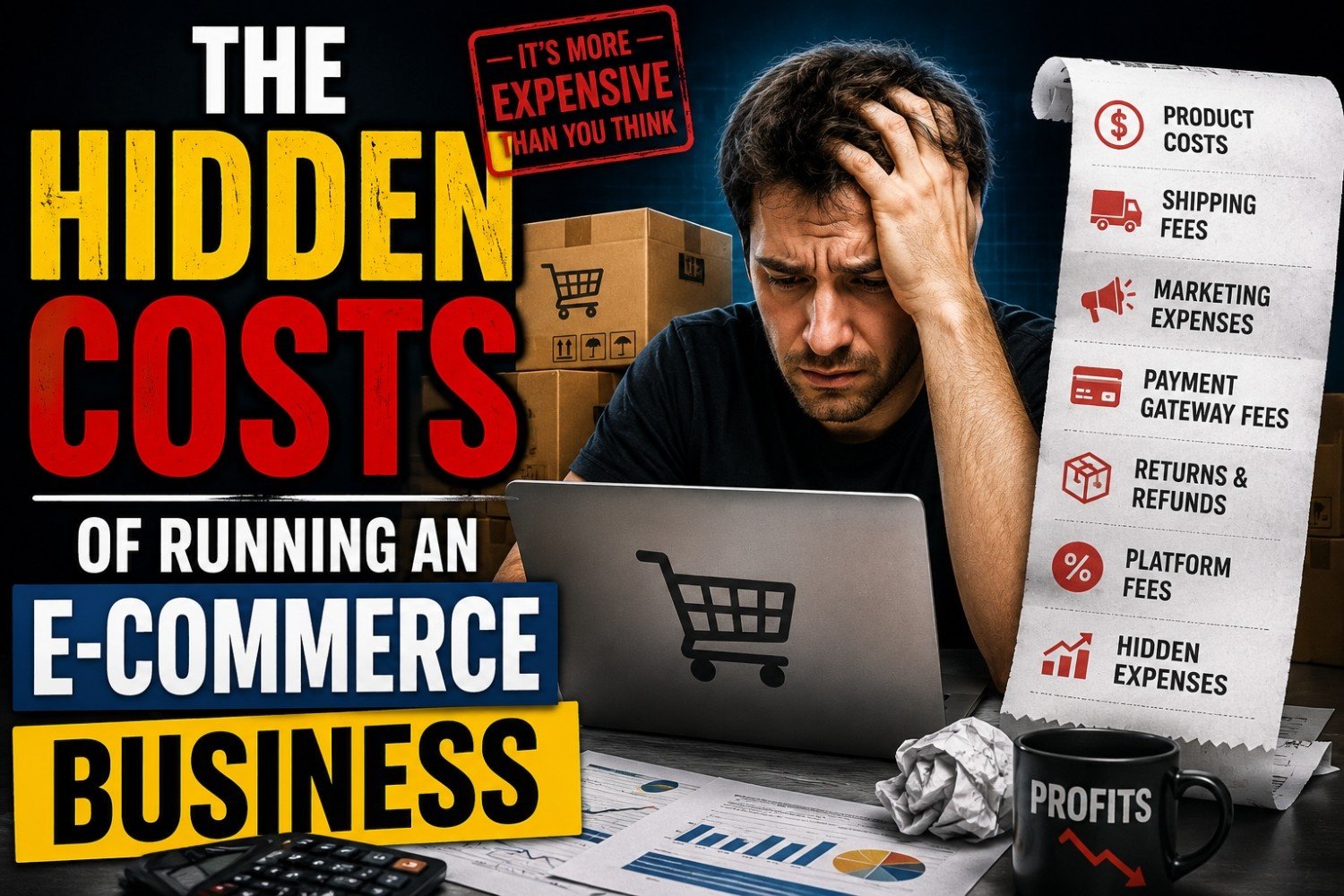
The world of e-commerce is often perceived as a straightforward and budget-friendly avenue for entrepreneurship. Many aspiring business owners are drawn to the idea of launching an online store due to the low overhead costs compared to traditional brick-and-mortar establishments. However, this perception can be misleading. While the initial investment may appear minimal—such as website hosting, domain registration, and e-commerce platforms—hidden costs can significantly overshadow these upfront expenses.
The Allure of Low Barriers to Entry
One of the primary appeals of starting an e-commerce business is the relatively low barrier to entry. Many platforms allow individuals to set up shops without extensive technical knowledge. This ease of access fosters the belief that launching an online business can be done quickly and cost-effectively. Yet, this perspective often neglects the ongoing operational costs, which can accumulate and impact the overall profitability of the venture.
Common Misconceptions About E-Commerce Expenses
Another misconception is that operating an e-commerce business does not involve substantial recurring costs. In reality, expenses such as inventory management, shipping logistics, and digital marketing can quickly escalate. For instance, marketing campaigns, essential for attracting customers, can incur significant costs, particularly in competitive sectors. Furthermore, as businesses grow, additional features and tools may become necessary, creating further financial obligations.
The Need for Comprehensive Budgeting
Given the complexities associated with e-commerce operations, it is crucial for entrepreneurs to engage in comprehensive budgeting that addresses both visible and hidden costs. A well-structured financial plan can set realistic expectations and provide a clearer picture of the investment required to sustain and grow an online business.
Startup Costs: Beyond Initial Investment
- The journey of launching an e-commerce business is often paved with various startup costs that extend far beyond the anticipated initial investment. Entrepreneurs frequently allocate a budget for critical components such as website development, domain registration, and other essential legal fees. However, it is crucial to recognize that these are only the surface-level costs associated with starting an online retail enterprise.
- One of the first significant expenses that new e-commerce owners encounter is the development of a website. Depending on the chosen platform—be it a custom-built site or a template-based system—the costs can vary widely. While some platforms offer affordable plans, additional expenses for plugins, themes, or custom development can accumulate quickly. It is important to account for ongoing costs such as hosting, maintenance, and potential upgrades, which can strain a startup's budget.
- Domain registration is another initial cost that businesses need to consider. While securing a domain name may seem straightforward and inexpensive, it can lead to further expenses. Premium domain names can be costly, and if the business expands, the owner might consider investing in multiple domains to protect their brand or to optimize for search engines. Similarly, legal fees come into play—business owners may need to invest in consultations or services for registering trademarks, drafting contracts, or ensuring compliance with e-commerce regulations. These legal expenses can often be overlooked during the planning phase, leading to unanticipated financial strain.
- Moreover, many entrepreneurs fail to recognize the importance of a comprehensive budget that outlines both expected and unexpected costs. Issues such as shipping, marketing, and inventory management, while often viewed as operational costs, can greatly impact initial cash flow and should therefore be integrated into the upfront cost estimation. Beginning this journey with a detailed understanding of all potential financial commitments will better prepare e-commerce owners for the road ahead.
Shipping and Fulfillment Expenses
- Operating an e-commerce business involves a myriad of complexities, and one of the most significant aspects is managing shipping and fulfillment expenses. From the moment an order is placed until it reaches the customer’s door, various costs accumulate that can greatly affect the overall budget. In fact, shipping rates alone can vary widely based on factors such as the shipping carrier, package weight, destination, and urgency of delivery. These fluctuating shipping costs can pose a challenge, particularly for small to mid-sized businesses.
- In addition to shipping rates, packaging materials add another layer of expense. The choice of packaging can impact both product protection and customer experience. Businesses must strike a balance between using cost-effective materials while ensuring that items are securely packaged and presentable. High-quality packaging can enhance customer satisfaction, thereby driving repeat purchases, but it also increases the total cost of fulfillment.
- Inventory management also plays a crucial role in shipping and fulfillment expenses. Efficient inventory practices are essential to avoid overstocking or stockouts, both of which can incur additional costs. Overstocking can lead to excess storage fees and increased waste, while stockouts might result in lost sales and diminished customer trust. Furthermore, maintaining a streamlined fulfillment process is vital. Delays in order processing can frustrate customers and can lead to higher shipping costs if expedited services are required.
- Therefore, it is vital for e-commerce businesses to consider all aspects of shipping logistics. Budgeting for not just the visible costs but also potential hidden expenses is crucial for enhancing profitability. By doing so, businesses can improve their operational efficiency, which in turn leads to a better customer experience and sustained growth in the competitive online marketplace.
Payment Processing Fees and Charges
- In the realm of e-commerce, understanding payment processing fees is crucial to maintaining a profitable business. These fees can significantly impact profit margins and overall financial health. Payment processing refers to the series of steps that occur when a customer makes an online purchase, which includes the approval of the transaction and the receipt of payment.
- One common fee that e-commerce businesses incur is the credit card transaction fee. This fee typically ranges from 1.5% to 3.5% per transaction, depending on the payment processor and the type of card used. These percentages might seem negligible on individual sales; however, they accumulate over time and can erode profit margins, particularly for businesses with lower average order values.
- In addition to transaction fees, e-commerce retailers often face chargebacks. A chargeback is initiated when a customer disputes a charge on their credit card statement, leading to the reversal of the transaction. Not only do chargebacks incur additional fees, often between $20 and $100 per occurrence, but they can also affect a merchant's standing with payment processors, leading to higher costs or even restrictions on their ability to process payments.
- Furthermore, payment gateways may impose service charges that contribute to the total cost of processing payments. These charges could include monthly fees, setup fees, or fees for refunds. Knowledge of these various fees is essential for e-commerce entrepreneurs to accurately calculate their profit margins and make informed business decisions.
- In conclusion, a comprehensive understanding of payment processing fees and charges is essential for e-commerce businesses. Recognizing these hidden costs can aid in developing strategies to mitigate their impact, ultimately leading to better financial outcomes.
Marketing and Advertising Costs
- In the realm of e-commerce, marketing and advertising expenses represent a significant component of overall operational costs. To effectively compete and attract customers in a crowded digital marketplace, a robust marketing strategy is essential. This often necessitates substantial financial investment across various channels, including pay-per-click (PPC) advertisements, social media marketing, and influencer partnerships.
- PPC ads, particularly through platforms like Google Ads, can yield high returns on investment if managed effectively. However, they also require a carefully crafted budget. Campaign costs vary based on industry competitiveness and can escalate quickly if not monitored diligently. To optimize spending, it is prudent for e-commerce businesses to conduct thorough keyword research, closely tracking and adjusting strategies to enhance ad performance while minimizing wasteful expenditures.
- Social media marketing has become another cornerstone of e-commerce advertising. With billions of users across various platforms, brands can reach diverse audiences through targeted ads and organic posts. However, investing in professional graphic design, compelling content creation, and social media management can add up. E-commerce businesses should consider allocating resources wisely, implementing a content calendar, and analyzing engagement metrics to refine their approach.
- Influencer marketing, too, has gained traction as a method to promote products. Collaborating with influencers who align with a brand can foster credibility and reach, but these partnerships can come at a steep price, especially if working with well-known figures. Establishing clear objectives and negotiating fair compensation are critical to ensure that the partnership delivers a worthwhile return.
- Ultimately, understanding the nuanced costs related to marketing and advertising is vital for e-commerce success. By setting a comprehensive budget, employing strategic tracking methods, and adapting to emerging trends, businesses can allocate their marketing funds effectively without overspending.
Customer Service and Returns Management
- In the realm of e-commerce, customer service and returns management are pivotal areas that demand attention. While many businesses emphasize marketing and inventory management, the costs associated with maintaining a robust customer service system and handling product returns are often frequently overlooked.
- Effective customer service requires a dedicated team that can provide support to customers at any time. This entails hiring and training staff, which carries a direct financial burden. Moreover, ongoing training and resource allocation for tools such as customer relationship management (CRM) software can also contribute significantly to the overall costs. These expenses are essential to ensure that inquiries are addressed promptly and efficiently, consequently enhancing customer satisfaction.
- Return management is another critical aspect. A streamlined process for product returns can alleviate the stress on both the customer and the e-commerce business. However, processing returns often involves additional costs, including restocking fees, return shipping, and potential loss of revenue from discounted items. Thus, a robust returns management strategy is vital to minimize these costs and uphold a positive brand image.
- Moreover, the repercussions of inadequate customer service can be profound. Poor service often results in negative customer experiences, which can lead to lost sales and damaged reputations. Research indicates that customers who encounter unsatisfactory service are unlikely to return. Consequently, businesses may face the incurred costs of acquiring new customers to replace those they have lost.
- Ultimately, investing in effective customer service and robust returns management is crucial. While these costs may appear substantial initially, they play a critical role in fostering customer loyalty and preventing potential losses in the long term. The hidden costs associated with failing to prioritize these elements can significantly impact the profitability of an e-commerce business.
Technology and Software Investment
- In today's digital landscape, investing in technology and software is essential for the success of any e-commerce business. E-commerce platforms, inventory management systems, and analytics tools can streamline operations and improve customer experience. However, the costs associated with these technologies can quickly add up, creating financial burdens if not carefully managed.
- When choosing an e-commerce platform, businesses may face various pricing models ranging from subscription-based plans to one-time licensing fees. While these services offer critical functionalities, such as website hosting and payment processing, the recurring costs can affect cash flow over time. Additionally, as businesses grow, they may need to upgrade to more robust plans or add-on features, which can exponentially increase expenses.
- Inventory management systems are another significant area of expenditure. These systems are vital for tracking stock levels, managing supplier relationships, and ensuring timely delivery of products. However, many businesses underestimate the costs associated with integrating and maintaining these systems, including any required training for staff. Furthermore, choosing the wrong system can lead to inefficiencies that may cost more in lost sales or overstock problems.
- Analytics tools are equally important for understanding customer behavior and driving sales. These tools can provide invaluable insights into customer preferences, purchasing patterns, and overall performance metrics. Nevertheless, subscription costs and the need for specialized analytics experts can push the financial boundaries of smaller e-commerce operations.
- It is crucial for e-commerce businesses to assess their software and technology investments critically. A strategy that includes diligent budgeting and regular reviews of technology spending can help mitigate potential hidden costs, ensuring that these essential tools cost-effectively support growth and operational efficiency.
Compliance and Legal Obligations
- The landscape of e-commerce is governed by a multitude of legal obligations that must be adhered to for the business to operate smoothly. These obligations primarily encompass tax compliance, data protection laws, and product regulations. Non-compliance can result in significant unforeseen costs and penalties that could threaten the viability of the business.
- Tax compliance is one of the primary legal obligations that e-commerce businesses must address. Depending on the jurisdiction, e-commerce establishments are usually required to collect and remit sales tax on transactions. The complexity increases as businesses often sell to different states or even countries, each with its own tax regulations. Failure to comply with these tax laws can lead to audits, back taxes owed, and substantial penalties.
- Additionally, data protection laws, such as the General Data Protection Regulation (GDPR) in Europe and the California Consumer Privacy Act (CCPA) in the United States, mandate stringent guidelines on how businesses should handle customer data. Any failure to comply can lead to hefty fines and a loss of customer trust, both of which can exert a detrimental effect on an e-commerce business's reputation and bottom line.
- Furthermore, product regulations are another vital area that e-commerce owners must navigate. Depending on the type of products being sold, specific industry standards may apply, such as safety standards for toys or food products. Non-compliance with these regulations can result in product recalls, legal liabilities, or even business closure in extreme cases. Therefore, it is crucial for e-commerce businesses to establish robust internal compliance frameworks and consult with legal experts to ensure adherence to all applicable laws.
Conclusion: Navigating Hidden E-Commerce Costs
- In the increasingly competitive realm of e-commerce, understanding and managing the hidden costs associated with running an online business is essential for sustainable success. Throughout this post, we have explored various unseen expenses, including transaction fees, shipping costs, return processing, and the often-overlooked costs related to website maintenance and marketing strategies. Each of these elements can significantly impact a business's bottom line if not appropriately managed.
- To effectively navigate these hidden costs, e-commerce entrepreneurs should adopt a comprehensive budgeting approach. This begins with conducting a thorough analysis of all potential expenses, categorizing them into fixed and variable costs, and assessing their impact on overall profitability. Leveraging tools such as cost analysis software can aid in tracking expenses in real-time and adjusting strategies accordingly.
- Moreover, establishing relationships with reliable suppliers can help mitigate hidden shipping costs, while utilizing free or low-cost marketing channels can reduce promotional expenses. It is also beneficial to consider the implications of customer service operations and return policies, as these can lead to unexpected costs. Regularly reviewing and adjusting business strategies in response to market trends can contribute to long-term financial health.
- By being proactive in understanding these hidden expenses and incorporating them into financial planning, e-commerce entrepreneurs can better anticipate challenges and make informed decisions to ensure profitability. Emphasizing transparency within operational costs will thus provide a clearer picture of financial performance, enabling better strategic planning for future growth.

Comments (0)