
Introduction to Product Packaging
- Product packaging is a critical component of the consumer goods industry, functioning not only as a protective enclosure for the product but also serving multiple roles that impact customer purchases. The primary purpose of packaging is to preserve the integrity and safety of the product during transportation and storage, thereby ensuring that it reaches the consumer in optimal condition. Furthermore, it plays a vital role in inventory management by providing essential information regarding the contents, weight, and handling instructions, which facilitates efficient storage and retrieval within retail environments.
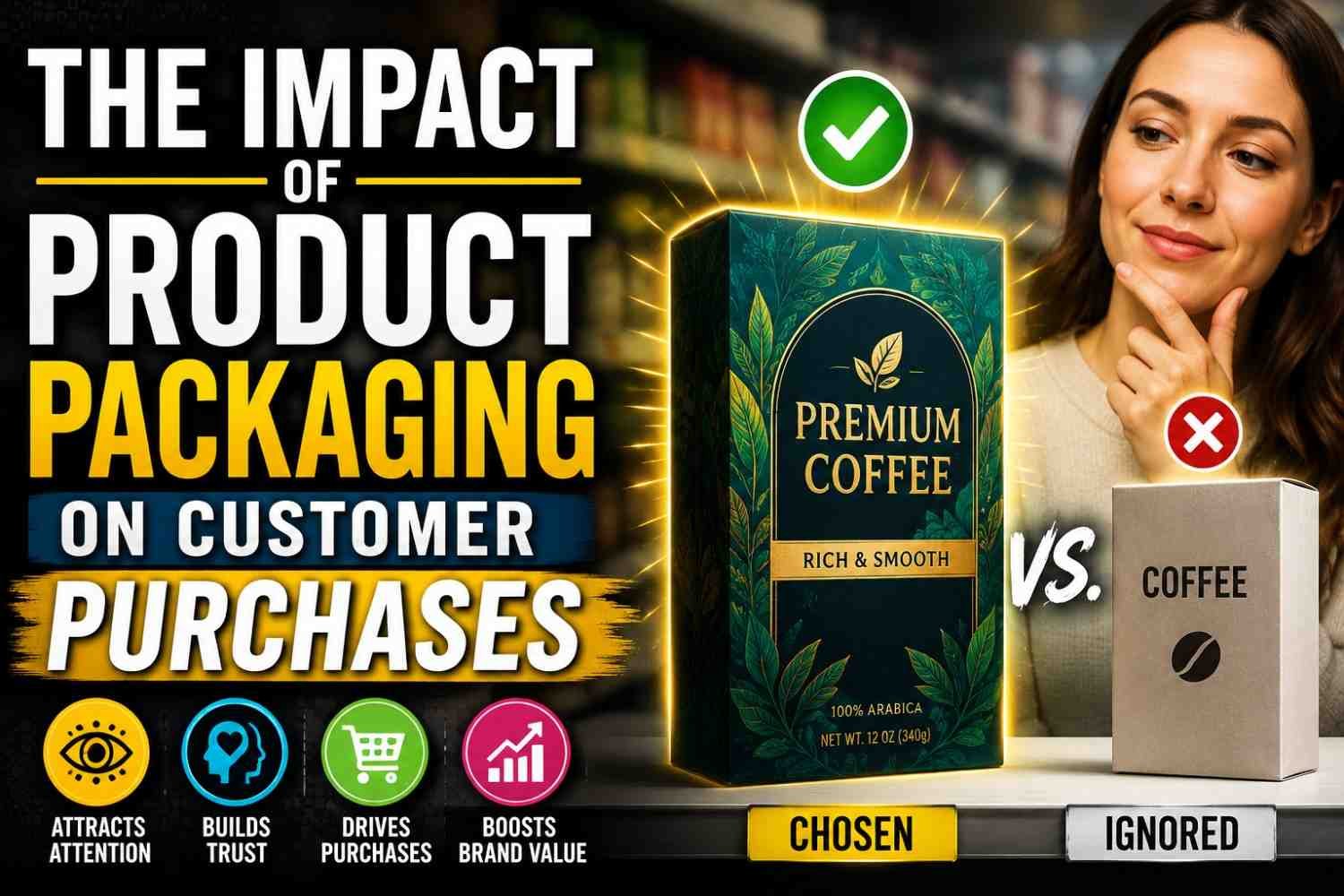
- In addition to these functional aspects, product packaging serves as an influential marketing tool. It conveys essential brand messages and values while also capturing consumer attention in a crowded marketplace. The design elements of packaging—such as color, material, and typography—are carefully considered to resonate with target audiences and evoke emotional responses. For many consumers, the visual appeal of the packaging can heavily sway their purchasing decision, making it a central consideration in the design and development stages of a product.
- Moreover, effective product packaging can enhance brand recognition and loyalty. When customers identify a specific brand through its unique packaging, they are more likely to associate positive experiences with those products. This connection often translates into repeat purchases, as consumers gravitate towards familiar brands they trust. As businesses strive to differentiate themselves from competitors, the significance of innovative and engaging packaging increases, leading to a direct influence on consumer behavior.
- In this context, it is imperative to acknowledge that product packaging is not merely an afterthought but rather an integral part of the consumer decision-making process.
The Psychology of Packaging
- The importance of packaging design extends beyond mere utility; it plays a crucial role in shaping consumer perception, emotions, and ultimately, purchasing decisions. Research suggests that the first impression consumers form about a product is heavily influenced by its packaging. Elements such as color, shape, and typography can evoke specific emotional responses, making them vital tools in the marketing arsenal.
- Color psychology, for instance, is a significant aspect of how packaging influences consumers. Different colors can evoke various feelings; warm colors like red and orange can create a sense of urgency or excitement, while cool colors such as blue and green often convey trust and relaxation. Brands strategically select colors to align with their overall message and target audience, effectively guiding consumers toward making certain decisions.
- Shapes also play an integral role in packaging psychology. Unique or innovative shapes can attract attention on the shelf, setting a product apart from its competitors. For example, a uniquely shaped bottle may not only make a product stand out but also resonate with the values of creativity and modernity, thus appealing to a specific demographic. Furthermore, familiar shapes can evoke nostalgia or a sense of reliability, thereby encouraging repeat purchases.
- Typography is another critical component of effective packaging design. The font style and size can communicate the brand's personality and influence consumer perception. A luxury product might utilize elegant, serif fonts that convey sophistication, while a fun, youthful product may employ bold, playful typefaces to attract attention. Ensuring readability is essential, as it impacts how well the message is communicated and how quickly consumers can process the information.
- In summary, the psychology of packaging encompasses various design elements that work in concert to influence consumer preferences and behavior. By carefully considering color, shape, and typography, brands can create packaging that not only captures attention but also fosters an emotional connection with consumers, ultimately driving purchases.
Brand Identity and Recognition
- Packaging serves as a pivotal element in establishing brand identity and enhancing consumer recognition. A distinctive packaging design can set a product apart from competitors, playing a critical role in purchase decisions. Successful brands have capitalized on this aspect, employing unique shapes, colors, and materials to effectively communicate their brand values and resonate with their target audience.
- For instance, Apple has mastered the art of packaging design, with its sleek, minimalist aesthetics reflecting the company's innovative and premium positioning. The unboxing experience created by Apple often evokes a sense of anticipation and excitement, reinforcing its identity as a leader in technology. This thoughtful design not only creates a memorable consumer experience but also fosters loyalty and repeat purchases, as customers associate the brand with quality and sophistication.
- Furthermore, Coca-Cola’s iconic red and white packaging is a quintessential example of how branding and packaging interplay to create recognition. The Coca-Cola logo, coupled with the distinctive contour bottle, evokes feelings of nostalgia and familiarity worldwide. Such recognition is a testament to the power of cohesive branding; thus, consumers are more likely to choose Coca-Cola products over competitors, irrespective of geographical location.
- In the organic food sector, brands like Whole Foods have harnessed sustainable packaging to align with their brand ethos. By utilizing recyclable materials and clear labeling, these companies emphasize their commitment to environmental responsibility, thereby enhancing customer loyalty. This alignment between packaging and brand message aids consumers in identifying with the brand and makes the product stand out amid a crowded market.
- Ultimately, effective packaging transcends mere functionality; it encapsulates a brand's identity, influencing consumer perceptions and loyalty. As brands continue to innovate in their packaging strategies, the competition remains fierce, underscoring the significance of packaging in shaping customer purchases.
Case Studies: Successful Packaging Strategies
- Successful product packaging extends beyond mere aesthetics; it plays a pivotal role in influencing customer purchases and boosting sales. Several well-known brands have effectively harnessed packaging strategies to enhance their market appeal. Analyzing these case studies reveals practical insights that can be beneficial for businesses aiming to refine their own packaging approaches.
- One prominent example is Coca-Cola’s personalized packaging campaign. By introducing bottles with popular names and phrases, Coca-Cola created a unique and engaging consumer experience. This strategy not only encouraged customers to seek out bottles with their names but also resulted in a surge in social media sharing, as consumers posted images of their personalized bottles. This case underscores the effectiveness of emotional engagement through packaging, demonstrating how customization can lead to an increase in customer interaction and subsequent purchases.
- Another notable case is Apple's minimalist design philosophy in packaging. Apple prioritizes simplicity and functionality while ensuring an aesthetic appeal that reflects its brand identity. Each element of Apple’s product packaging, from the color palette to the material quality, emphasizes a premium feel that resonates with customers. This approach enhances perceived value and generates anticipation prior to product unboxing, fostering customer loyalty and repeat purchases.
- Similarly, the eco-friendly packaging strategy employed by Unilever for its personal care products showcases how sustainability can drive consumer preference. By utilizing recyclable materials and reducing excess packaging, Unilever has not only catered to the rising demand for environmentally responsible products but has also demonstrated the effectiveness of aligning packaging strategies with ethical consumerism. This case highlights that environmentally conscious packaging can significantly enhance brand image and expand market reach.
- Overall, these case studies illustrate that thoughtful packaging can be a powerful tool in driving customer purchases. By focusing on personalization, minimalistic design, and sustainability, brands can effectively engage consumers and create lasting impressions. Adopting similar strategies could provide actionable insights for businesses seeking to improve their product packaging and overall sales performance.
Sustainability in Packaging
- As consumer consciousness about environmental issues continues to grow, sustainability in packaging design has become a crucial factor influencing purchasing decisions. Recent studies indicate that consumers are increasingly favoring brands that prioritize eco-friendly materials and sustainable practices in their packaging. This shift in preference is not merely a passing trend; it reflects a broader societal movement towards sustainability and responsible consumption. Brands that adopt sustainable packaging solutions often find they can significantly enhance their market appeal.
- Eco-friendly packaging encompasses a range of materials and practices, including recyclable, biodegradable, or compostable materials. By utilizing these options, brands not only reduce their environmental footprint but also communicate their commitment to sustainability. This can resonate particularly with younger consumers, such as Millennials and Gen Z, who are more likely to support companies demonstrating environmental responsibility. In fact, studies have shown that a substantial percentage of these consumers are willing to pay a premium for products with sustainable packaging.
- Moreover, sustainable packaging can extend beyond materials to include design elements that minimize waste, such as minimalistic packaging that reduces the amount of resources used. Brands that incorporate educational elements into their packaging, such as recycling instructions or the story behind their sustainable sourcing, can further engage environmentally conscious consumers. This not only builds brand loyalty but also fosters a community of like-minded individuals who value sustainability.
- Incorporating sustainability into packaging design is not just beneficial for attracting eco-conscious customers; it can also lead to operational efficiencies. By streamlining packaging materials and processes, brands can reduce costs and improve their overall sustainability performance. Ultimately, the commitment to sustainable packaging initiatives not only enhances brand appeal but also contributes positively to the environment, creating a win-win situation for both the consumers and the company.
Functional Packaging Features
- Functional packaging plays a crucial role in enhancing the consumer experience and significantly influencing purchasing decisions. This packaging is designed not only to protect the product but also to provide convenience and ease of use. When consumers encounter packaging that is easy to open, they are more likely to feel positive about the product, leading to a higher chance of purchasing it. Features such as user-friendly openings, resealability, and single-serving sizes cater directly to the consumers’ needs for convenience, especially in today’s fast-paced life.
- For example, many food items now come in easy-tear pouches, which eliminate the struggle often faced with traditional packaging. This convenience factor can enhance customer satisfaction and, in turn, influence their decision to repeat a purchase. Similarly, packaging that allows for easy storage, such as stackable containers or those that minimize wasted space, appeal to consumers who prioritize efficiency in their lives.
- Moreover, functional packaging addresses the issue of product preservation. Features that protect against spills, damage, or contamination are critical components that can sway customers. When shoppers perceive that a product is packaged securely, they feel more confident in its quality and safety, which plays a decisive role in their purchase decisions.
- In an era where sustainability is becoming increasingly important, functional packaging is also adapting to meet eco-friendly demands. Recyclable materials and reusable packaging designs are not only beneficial for the environment but also resonate with consumers’ preferences for sustainable practices, thereby influencing their purchasing behavior.
Cultural Influences on Packaging Design
- Product packaging serves as a critical marketing tool that often reflects and adapts to diverse cultural contexts. Different cultures harbor unique aesthetic preferences, values, and symbolism that can significantly influence consumer response to packaging design. Therefore, an understanding of these cultural nuances is essential for brands aiming to cultivate a favorable impression on their target audience.
- For instance, in many Asian cultures, the color red is associated with good fortune and happiness, which makes it a popular choice in packaging designs. A company launching a festive snack in China may opt for bright red and gold packaging to appeal to local tastes. This strategy not only enhances visibility on store shelves but also aligns with cultural expectations, thereby increasing the likelihood of purchase. Conversely, the same color scheme might be perceived differently in Western contexts, where red could symbolize caution or alertness. This illustrates the potential pitfalls of a one-size-fits-all approach to packaging.
- Moreover, packaging shapes and materials can evoke varying responses based on cultural perceptions. In countries such as Egypt, products wrapped in colorful, artistic designs may resonate well with consumers who value traditional aesthetics. However, a minimalist Scandinavian design might not elicit the same enthusiasm. The historical context and socioeconomic factors also play vital roles. For example, luxury brands in Western markets often use elegant, simple designs to signify exclusivity, while in other regions, elaborate, ornate packaging may convey luxury more effectively.
- By examining these cultural influences on packaging design, businesses can tailor their strategies to foster deeper connections with consumers. Understanding local preferences and responding to them through thoughtful packaging not only enhances brand perception but can also drive customer loyalty and boost sales.
Emerging Trends in Packaging
- As consumers increasingly seek unique and meaningful experiences, product packaging is evolving beyond mere functionality to become a crucial aspect of brand identity and consumer engagement. One of the most notable trends is minimalism in design. Brands are simplifying their packaging to create a clean and modern aesthetic. This approach not only appeals to the contemporary consumer's preference for simplicity but also communicates a commitment to sustainability. By reducing excess packaging materials, brands are able to enhance their environmental friendliness while attracting a broader consumer base that values eco-conscious practices.
- In addition to minimalism, the integration of technology into product packaging is gaining significant traction. The inclusion of QR codes in packaging enables brands to establish an interactive relationship with consumers. By simply scanning a code, customers gain access to detailed product information, promotional offers, or even immersive brand stories. This trend reflects a shift in consumer expectations, where users demand instant access to information and a more engaging shopping experience. Consequently, brands that leverage technology in their packaging are often viewed as innovative, enhancing consumer trust and loyalty.
- Moreover, interactive packaging is on the rise, which transforms the unboxing experience into an engaging event. For instance, brands are employing augmented reality (AR) features, allowing consumers to visualize product usage or get a glimpse of the brand's story through their mobile devices. Such experiences are not only entertaining but also deepen the emotional connection towards the product, fostering brand loyalty.
- Overall, these emerging trends in product packaging reflect a shift in consumer preferences and expectations, pushing brands towards more thoughtful, interactive, and sustainable packaging solutions. As brands adapt to these trends, they can potentially enhance customer satisfaction and influence purchase decisions positively.
Conclusion: The Future of Packaging in Consumer Choices
- As discussed throughout this blog post, product packaging plays a pivotal role in influencing consumer purchasing decisions. It serves not only as the first point of interaction between the consumer and the product but also conveys vital information regarding quality, brand identity, and sustainability. The evolution of packaging design is deeply intertwined with shifting consumer behaviors, which are increasingly leaning towards eco-friendliness, convenience, and aesthetics. Today’s consumers are more conscious of the implications of their purchases and often seek products that reflect their values and lifestyles.
- Looking to the future, the role of packaging in shaping consumer choices is likely to expand as brands continue to innovate and adapt. Sustainability will remain at the forefront of packaging development, with many companies prioritizing recyclable, biodegradable, or minimalistic designs in response to environmental concerns. Furthermore, the integration of technology in packaging, such as QR codes and augmented reality, could elevate the consumer experience, providing additional product information while engaging consumers interactively. Such advancements may lead to a more informed decision-making process and potentially increase brand loyalty.
- In essence, the relationship between packaging and consumer choice is projected to evolve further, driven by technological innovations and a growing demand for sustainable practices. Brands that recognize and act on these trends will not only enhance their product appeal but also foster a deeper connection with consumers. Therefore, as we navigate the future of packaging, it is crucial for companies to remain adaptable and responsive to the changing landscape of consumer preferences, ensuring they align their packaging strategies with the evolving expectations of their target audiences.
Login or create account to leave comments

Comments (0)