
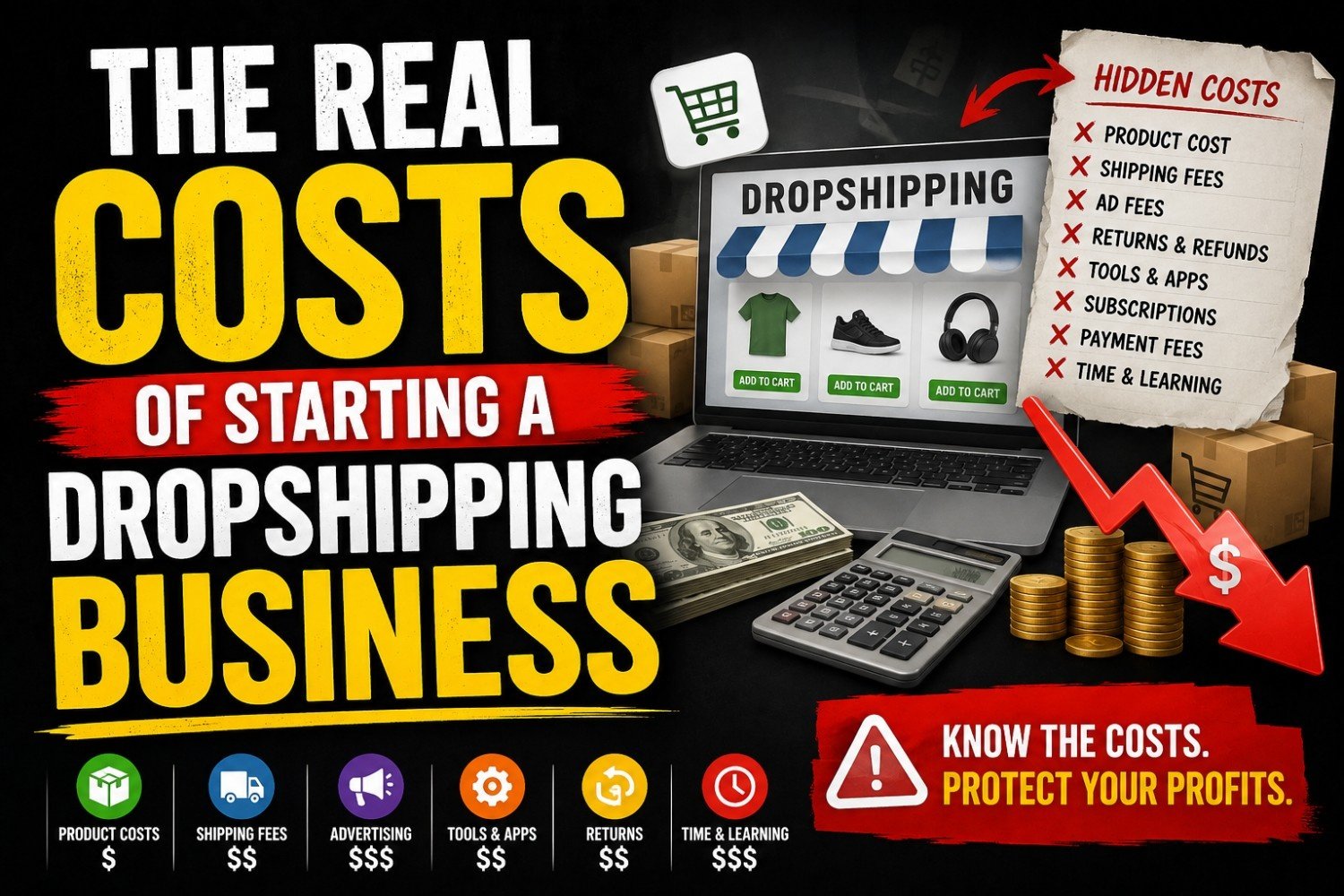
Introduction to Dropshipping
- Dropshipping is a retail fulfillment method that allows entrepreneurs to sell products without maintaining inventory. In this model, when a customer makes a purchase, the retailer forwards the order details to a third-party supplier, who then ships the products directly to the customer. This means that the business owner does not need to invest in warehousing or stock the merchandise themselves, which can significantly lower the barriers to entry for budding entrepreneurs.
- One of the primary advantages of dropshipping is the reduced financial risk it entails. Entrepreneurs only pay for products after making a sale, which minimizes upfront costs. Furthermore, dropshipping offers a vast catalog of products to choose from, enabling business owners to experiment with various niches without substantial investment. This flexibility allows for rapid adaptation to market trends and customer preferences.
- However, dropshipping is not without its challenges. The profit margins can be relatively low, especially when competing with larger retailers who can afford to sell products at discounted prices. Moreover, since the dropshipper does not handle inventory, they may face issues concerning quality control and fulfillment delays, as their business largely depends on the performance of their suppliers. These factors can lead to customer dissatisfaction and impact the retailer's reputation.
- In understanding dropshipping, it is essential to recognize both its benefits and drawbacks. In the current e-commerce landscape, this business model can be an accessible option for new entrepreneurs, but it requires careful consideration of the inherent challenges and financial implications involved. By evaluating these aspects, potential business owners can better prepare for the realities of this retail fulfillment strategy.
Initial Startup Costs
- Starting a dropshipping business involves various initial costs that prospective entrepreneurs should be aware of. First and foremost, business registration fees are necessary to officially form a legal entity. Depending on the location, these fees can range from a few hundred to several thousand dollars. It is essential to consult local regulations to understand specific registration requirements and associated costs.
- While dropshipping typically eliminates the need for holding inventory, some entrepreneurs may choose to purchase initial stock to create a buffer for their first sales. This is particularly common in niches where immediate delivery may enhance customer satisfaction. Therefore, the decision to invest in inventory can introduce additional costs, though it is optional and should be evaluated based on market demand and business strategy.
- Another significant aspect of the initial startup costs includes website setup and design expenses. A user-friendly and visually appealing e-commerce website is crucial for attracting and retaining customers. Costs can vary widely depending on whether one opts for a DIY website builder or hires a professional developer, with expenses ranging from a few hundred to several thousand dollars. Additionally, hosting fees and domain registration should be factored into the budget.
- Lastly, necessary equipment and software play a vital role in running a dropshipping business. Entrepreneurs often require reliable computers, printers for invoices, and software for inventory management, customer relationship management (CRM), and email marketing. Subscription fees for these digital tools can accumulate quickly, and it is advisable to research and select only essential software to keep initial costs manageable.
- In conclusion, understanding the initial startup costs is critical for anyone looking to establish a dropshipping business. By preparing for these expenses and allocating a budget wisely, aspiring entrepreneurs can create a solid foundation for their new enterprise.
Ongoing Operational Costs
- Starting a dropshipping business entails various ongoing operational costs that can significantly impact overall profitability. Understanding these recurring expenses is crucial for maintaining a healthy cash flow and making informed financial decisions. Among the primary operational costs is the hosting fee, which is essential for running your eCommerce website. Typically, these fees can range from a few dollars to several hundred, depending on the hosting provider and plan selected.
- In addition to hosting fees, many dropshippers choose to utilize subscription services like Shopify or WooCommerce, which offer comprehensive eCommerce solutions. These platforms charge monthly fees that vary based on the features required, often starting at approximately $29 per month. These costs may include additional applications and plugins that facilitate better functionality and customer engagement. Furthermore, transactional fees charged by these platforms generally apply to sales conducted, emphasizing the need for meticulous budgeting.
- Payment processing fees also represent a significant recurring cost for dropshipping businesses. Payment processors, such as PayPal or Stripe, usually charge a percentage on each transaction, along with a fixed fee per sale. This can diminish profit margins, especially for businesses with lower-priced products. Careful selection of payment methods can help manage these costs effectively.
- Finally, ongoing marketing expenses play a pivotal role in attracting customers to your dropshipping store. Whether through social media advertising, Google Ads, or email marketing campaigns, these costs can accumulate rapidly. Allocating a portion of your budget to marketing is vital for sustaining visibility and generating sales, as competition often requires persistent promotional efforts. By being aware of these ongoing operational costs and planning accordingly, dropshippers can better position themselves for success in the competitive eCommerce landscape.
Marketing and Advertising Expenditures
- Establishing a successful dropshipping business requires a strategic approach particularly regarding marketing and advertising expenditures. Effective marketing is essential for driving traffic to your e-commerce store and ultimately converting visitors into paying customers. There are several approaches to consider when allocating your advertising budget.
- One prominent strategy is utilizing social media advertising. Platforms such as Facebook, Instagram, and TikTok offer targeted advertising that allows entrepreneurs to reach specific demographics. This can be particularly advantageous for dropshipping businesses, as it enables owners to connect with potential customers who are most likely to purchase their products. However, while social media ads can be highly effective, they also require significant investment to optimize and maintain. The costs associated with creating compelling visuals and engaging content must be factored into the overall marketing budget.
- In addition to social media, search engine optimization (SEO) plays a crucial role in increasing organic traffic. By optimizing website content and utilizing relevant keywords, dropshipping businesses can improve their visibility in search engine results. Although SEO may involve upfront costs such as hiring experts or investing in tools, it is generally more cost-efficient in the long run compared to ongoing paid advertising. A strong SEO strategy can continue to drive traffic without continuous expenditure, making it a wise investment.
- Paid ads, such as Google AdWords, represent another common option for boosting visibility. While effective in generating immediate traffic, these ads come with a variable cost structure that can quickly escalate. Entrepreneurs should approach this method cautiously and allocate a dedicated budget to avoid overspending without seeing a beneficial return on investment. In sum, planning and budgeting for marketing and advertising expenditures are crucial to ensure that a dropshipping business can effectively compete and thrive in a crowded marketplace.
Supply Chain and Shipping Costs
- When establishing a dropshipping business, understanding the intricacies of supply chain and shipping costs is essential. These factors significantly influence the overall profitability of the venture. The supply chain encompasses the entire process of sourcing products from suppliers and delivering them to customers, which includes production, warehousing, inventory management, and transportation.
- One of the first costs to consider is product sourcing. The price at which items are acquired from suppliers can vary greatly, depending largely on the product type, supplier location, and the level of negotiation between the dropshipper and the supplier. For instance, products sourced from countries with lower manufacturing costs may seem attractive, yet shipping them internationally can quickly escalate total expenses. Thus, a careful evaluation of supplier terms is crucial.
- Shipping costs also present a pivotal factor in the dropshipping model. Depending on the shipping methods employed—standard, expedited, or express—expenses can vary significantly. Additionally, geographic locations of both suppliers and customers can result in differing shipping fees due to distance, logistics complexities, and customs duties. For example, a dropshipper based in the United States sourcing products from Asia may need to factor in longer shipping times and higher freight costs compared to domestic suppliers.
- Moreover, fulfillment costs associated with packaging and handling products create additional financial considerations. Although dropshippers generally do not manage the warehousing of products, they must account for costs that suppliers might charge for order processing and fulfillment. Therefore, dropshippers must conduct thorough research and analysis to assess all potential costs associated with their chosen supply chain and shipping methods—ultimately enabling them to set competitive pricing while maintaining profitability.
Returns and Customer Service Costs
- In the dropshipping business model, managing returns and customer service is a critical aspect that can significantly impact overall expenses. Returns can happen for various reasons, including product dissatisfaction, shipping damage, or errors in order fulfillment. As a dropshipper, you often rely on your suppliers to handle these returns, but this may not always be seamless. It's crucial to factor in potential return shipping costs, which can add up quickly, especially if multiple items are frequently sent back.
- Moreover, customer service plays a vital role in the success and sustainability of a dropshipping business. While providing excellent customer support may increase operational expenses, it is essential for maintaining customer satisfaction and loyalty. Customers today expect prompt responses and effective solutions to their issues. Thus, investing in a reliable customer service team or platform can lead to higher operational costs, which must be considered in your budget.
- Additionally, customer inquiries regarding order status, product specifications, or return processes can create an influx of communication that needs to be managed efficiently. Having a knowledgeable team that can address these inquiries is fundamental, as poorly handled customer interactions can lead to negative reviews and a tarnished brand reputation. This could ultimately decrease sales and profit margins, leading to further financial strain.
- Furthermore, it is essential to understand the return policies of your suppliers and how they align with your own customer service strategies. A transparent and efficient return policy can reassure customers and may result in fewer returns overall. However, if returns are inevitable, understanding the financial implications and having a plan in place is crucial for long-term success in your dropshipping venture.
Financial Management and Accounting Expenses
In the evolving landscape of e-commerce, effective financial management plays a pivotal role in the success of a dropshipping business. Entrepreneurs must understand that while the overheads may appear minimal compared to traditional retail, proper financial management is indispensable to navigate the complexities involved.
- One significant aspect of managing a dropshipping operation is accounting software, which aids in tracking sales, expenses, and inventory. Many small business owners invest in robust accounting tools, which range in price based on features and capabilities. Platforms like QuickBooks, Xero, and FreshBooks offer scalability tailored to the needs of a dropshipping business. The cost of such software can vary, often falling between $15 to $70 per month, a necessary expense to maintain financial accuracy.
- In addition to software, hiring a professional accountant might be prudent. Accountants bring a wealth of knowledge regarding tax regulations, financial reporting, and compliance matters. The average fees for accountants vary widely, typically ranging from $100 to $400 per hour, depending on expertise and location. Outsourcing bookkeeping services can be an economical alternative, particularly for startups that require less frequent financial oversight. Businesses often budget around $200 to $500 monthly for these services.
- Emphasizing precise financial tracking and forecasting can also yield a competitive advantage. Dropshipping entrepreneurs should set aside an appropriate budget for financial management to ensure they are not just reacting to numbers, but also planning strategically for growth. A well-organized financial landscape enables business owners to identify trends, manage cash flow, and reap the benefits of informed decision-making. Therefore, investing in financial management and accounting should be viewed as a critical component in establishing a sustainable dropshipping business.
Hidden Costs in Dropshipping
- When venturing into the world of dropshipping, many entrepreneurs focus primarily on the visible costs, such as product prices and shipping fees. However, hidden costs can significantly impact profit margins, often leading to unexpected financial strain. Understanding these hidden costs is crucial for anyone looking to establish a successful dropshipping business.
- One of the most commonly overlooked expenses is payment gateway fees. When customers make purchases, the payment gateways, such as PayPal and Stripe, charge a fee for processing transactions. These fees can vary based on the payment method and transaction volume, but they can slice a notable percentage from each sale. Entrepreneurs should factor these fees into their product pricing to maintain profitability.
- Another subtle expense arises from currency conversion costs. If a dropshipping business sells internationally, currency conversion fees can add up. These fees occur when funds exchanged involve different currencies and can affect the actual revenue earned from sales. Additionally, fluctuations in exchange rates can also impact pricing stability, making it essential for dropshipping businesses to stay informed about current rates.
- Moreover, chargebacks present another unexpected cost. A chargeback occurs when a customer disputes a transaction and demands a refund from their bank or credit card company. This process not only results in the loss of the sale but can also lead to additional fees imposed by the payment processor. Repeated chargebacks can adversely affect a business's reputation and lead to increased scrutiny from payment platforms, possibly restricting future transactions.
- In conclusion, recognizing and anticipating these hidden costs is vital for entrepreneurs entering the dropshipping market. A comprehensive understanding of all expenses involved will enable better financial planning and ultimately contribute to the sustainability and success of the business.
Conclusion: Weighing the True Costs of Dropshipping
- Starting a dropshipping business can appear to be an enticing venture, particularly due to its relatively low initial investment and overhead costs. However, it is crucial for aspiring entrepreneurs to have a thorough understanding of the multiple financial elements involved before proceeding. The real costs of dropshipping extend beyond mere product pricing and shipping expenses; they include various operational overheads that can easily accumulate.
- First and foremost, one must consider the cost of setting up an online store, which typically involves web hosting fees, domain registration, and potential expenditures for eCommerce platforms. Furthermore, there are marketing expenses that should not be overlooked. In today’s competitive eCommerce landscape, investing in online advertising and search engine optimization (SEO) is essential to drive traffic to your store, which adds another layer to your overall budget.
- Additionally, dropshipping entrepreneurs frequently encounter costs associated with customer service and returns management. These can significantly impact profitability if not effectively managed. The fluctuating nature of supplier prices and product quality also plays a critical role, necessitating that business owners continuously monitor suppliers to maintain a competitive edge.
- To mitigate risks, it is prudent to conduct comprehensive research and develop a detailed business plan that clearly outlines all potential expenses. By understanding the comprehensive financial implications of operating a dropshipping business, entrepreneurs can make informed decisions and avoid common pitfalls. Evaluating these costs will ultimately provide a clearer picture of the sustainability and profitability of the business model.
Login or create account to leave comments

Comments (0)