
Introduction to Dropshipping and Product Research
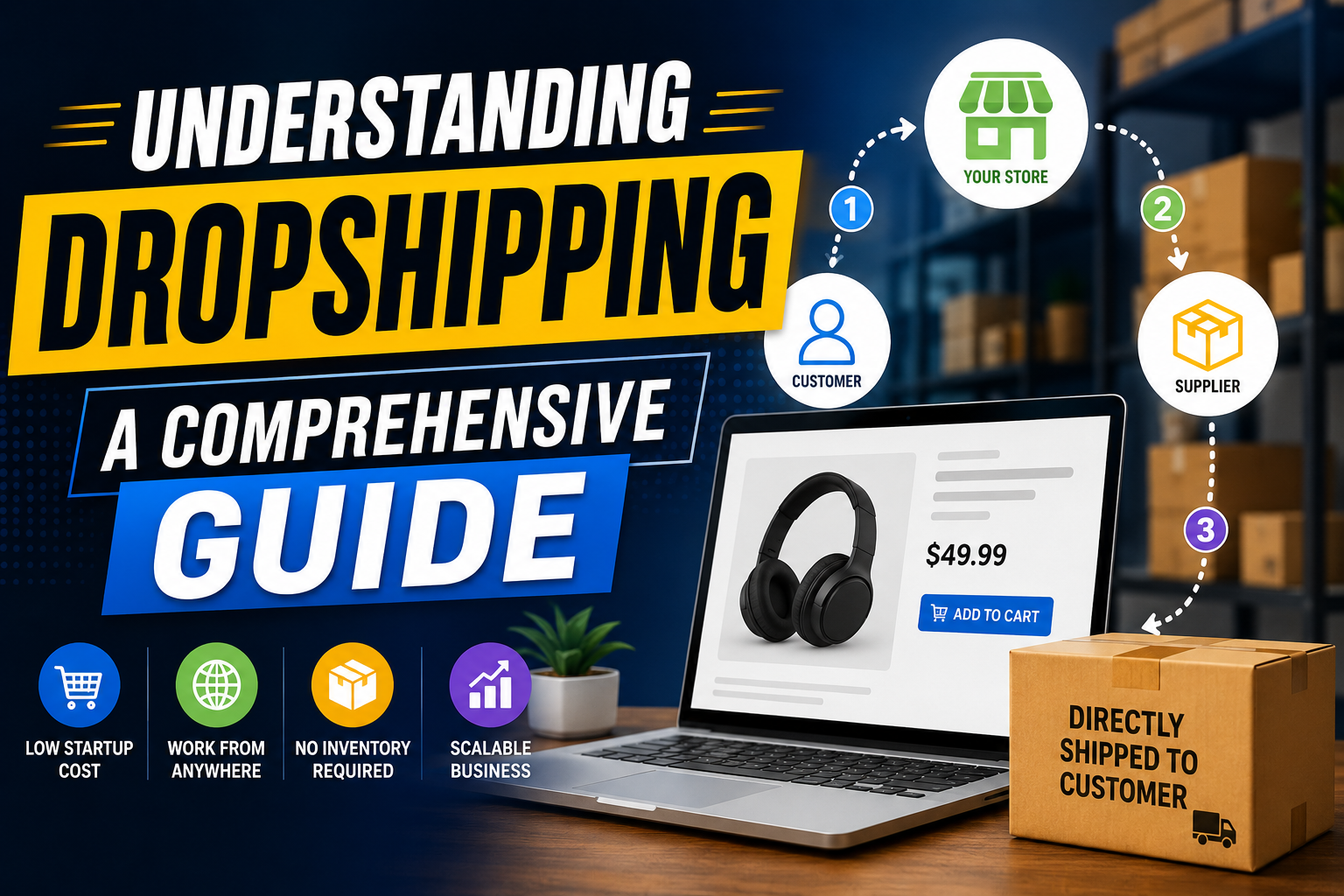
- Dropshipping is a retail fulfillment method that allows entrepreneurs to sell products without maintaining inventory. Instead of stocking products, a dropshipping business collaborates with suppliers who fulfill orders on behalf of the retailer. When a customer places an order, the retailer's supplier ships the product directly to the customer, streamlining the process and reducing overhead costs for the retailer. This model offers a low barrier to entry and requires less capital compared to traditional retail, making it an attractive option for many new entrepreneurs.
- While the dropshipping model presents significant opportunities, success in this space is largely contingent upon effective product research. Product research is the systematic evaluation of market trends, consumer needs, and product viability before launching a dropshipping operation. At its core, product research intends to identify which products are likely to perform well within a specific market.
- Understanding market trends involves analyzing fluctuations in consumer preferences and demands. By leveraging tools and resources available, entrepreneurs can gain insights into current buying patterns and potential future trends. Furthermore, comprehending consumer behavior is crucial, as it sheds light on why customers make certain purchases, which factors influence their decisions, and how competitive landscape impacts their choices.
- Incorporating thorough product research into a dropshipping strategy not only aids in selecting the right products but also minimizes the risks of stock accumulation and capital loss. When retailers accurately assess consumer demand, they can craft targeted marketing strategies that resonate with their audience. Therefore, investing time and effort in product research is not merely a beneficial practice; it is essential for establishing a successful dropshipping venture.
The Role of Product Research in Market Analysis
- Product research is an essential component of market analysis, significantly impacting the success of any dropshipping business. It involves a systematic examination of the market landscape, enabling entrepreneurs to make informed decisions. The approaches to product research can be broadly categorized into several methodologies that provide insights into current trends and consumer preferences.
- One vital aspect of product research is competitor analysis. By evaluating competitors within a specific niche, dropshippers can identify strategies that work and discern gaps that exist in the market. Understanding the strengths and weaknesses of competitors allows businesses to tailor their offerings, ensuring they are not just replicating existing products but also fulfilling unmet needs. This approach helps in positioning newly launched products more effectively, capturing consumer attention amidst saturated markets.
- Another significant approach is trend watching, which involves monitoring changes in consumer behavior and preferences. Staying updated on emerging trends helps dropshippers forecast market demands and align their product offerings accordingly. Utilizing tools such as Google Trends and social media analytics can provide valuable data on what products are gaining popularity. Recognizing these trends early offers a competitive advantage, enabling dropshippers to adjust their inventory and optimize their marketing strategies.
- Furthermore, thorough market analysis through product research aids in pinpointing viable product niches. Identifying unique segments allows for targeted marketing efforts and minimizes competition. By concentrating on specific gaps, businesses can cater directly to niche markets, establishing a loyal customer base. This strategic focus leads to more effective use of resources and ultimately contributes to the profitability of the dropshipping venture.
Identifying Profitable Products through Research
- The foundation of success in dropshipping lies in the ability to identify products that not only attract consumer interest but also offer substantial profitability. Conducting thorough research is crucial for discovering these lucrative items. One essential method for product identification is keyword research. By analyzing the search terms that potential customers use, dropshippers can gauge demand levels, uncover emerging trends, and pinpoint the right products to list in their online stores. Tools such as Google Keyword Planner can assist in revealing high-volume keywords related to specific products, providing insight into what customers are actively seeking.
- Another impactful avenue for product research is social media trend analysis. Platforms like Instagram, Facebook, and TikTok serve as rich resources for gauging customer preferences and behaviors. By observing influencers, hashtag trends, and consumer interactions, dropshippers can unearth popular products that are gaining traction within their target audience. This can inspire product selection that aligns with current market desires.
- Additionally, leveraging tools such as Google Trends can significantly enhance product identification efforts. This platform allows sellers to monitor interest over time in various product categories, revealing seasonal demand and potential spikes related to specific events or trends. By analyzing historical data, dropshippers can make informed decisions about which products to promote during peak demand periods.
- Furthermore, it is imperative to focus on product profitability and conduct a thorough margin analysis. Assessing a product's wholesale cost, potential retail price, and associated shipping fees helps determine whether the product is viable for a dropshipping business. Ultimately, effective product research combines several methods and tools to streamline the process of finding profitable products, ensuring that dropshippers can strategically position themselves in a competitive market.
Evaluating Product Demand and Competition
- When venturing into dropshipping, assessing product demand and competition is paramount for ensuring success. A thorough evaluation process can significantly influence product selection, allowing merchants to align their offerings with market needs while minimizing competition saturation. To undertake this evaluation effectively, several metrics and analytical tools are utilized.
- One of the primary tools for gauging product demand is Google Trends. This platform provides insights into the popularity of specific search queries over time. By analyzing the trends, dropshippers can identify seasonal interest and long-term demand for a product. Additionally, Amazon Best Sellers and eBay's trending sections reveal real-time sales data that reflects customer preferences and can serve as an indicator of potential success.
- Furthermore, social media platforms, such as Instagram and Pinterest, are valuable resources for gauging product popularity. Monitoring engagement levels on posts related to specific products can provide insights into consumer interest and emerging trends. Hashtags associated with these products can also help identify viral potential and niche segments with lower competition.
- Competition analysis is equally critical in evaluating the saturation of the market. Tools like SEMrush and Ahrefs can help dropshippers assess competitor websites, analyzing keyword rankings, traffic sources, and backlink profiles. This information allows them to gauge how established competitors are performing and where opportunities might exist to carve out a niche.
- Moreover, identifying low-competition opportunities can be achieved through methodologies such as long-tail keyword research. Long-tail keywords present broader opportunities by targeting specific customer needs while facing less competition. By selecting products with a strong demand but lower search engine competition, dropshippers can position themselves strategically in the market.
- Through all these processes, interpreting data accurately is crucial. By leveraging metrics and analytics effectively, dropshippers can make informed decisions regarding product selection, ensuring sustenance and growth in their business efforts.
The Importance of Supplier Reliability and Quality Control
- In the realm of dropshipping, the success of a business is profoundly influenced by the reliability of its suppliers and the standards of quality control implemented. Product research, therefore, must encompass not only the analysis of market trends but also the vetting of suppliers to ascertain their dependability and the quality of the products they offer. A solid foundation in supplier research is pivotal; it directly impacts customer satisfaction, which is paramount in fostering brand loyalty and ensuring long-term business viability.
- Firstly, the selection of a reliable supplier can mitigate the risks associated with the fulfillment process. If a supplier consistently meets deadlines and maintains stock levels, it significantly reduces the chances of order delays that can negatively affect customer experience. Moreover, a reliable supplier often provides clear communication, which is critical for addressing any issues that may arise swiftly and efficiently.
- Equally important is the aspect of quality control. Products that do not meet consumer expectations can lead to dissatisfaction, increased return rates, and damaging negative reviews. Consequently, thorough product research must include assessing the quality of items offered by the suppliers. This involves ordering samples, conducting quality assessments, and reviewing customer feedback on products and supplier performance. When dropshippers align their product offerings with high-quality standards, they not only fulfill customer expectations but also establish a credible brand image.
- In summary, the extent of product research conducted should not solely focus on market trends but rather encompass a comprehensive evaluation of supplier reliability and quality control. By doing so, dropshipping businesses position themselves for greater success through enhanced customer satisfaction and loyalty.
Testing Product Viability Before Launch
- Testing product viability is a crucial step in the dropshipping process, allowing entrepreneurs to assess whether their product ideas hold promise in the market. By implementing various methodologies such as product sampling, beta testing, and small-scale market launches, dropshippers can effectively validate demand and mitigate risks associated with launching new offerings.
- Product sampling involves creating prototypes or samples of the product and distributing them to potential customers or focus groups. This method provides invaluable feedback regarding the product's features, usability, and overall appeal. By gauging customer interest and gathering opinions from early users, dropshippers can make informed decisions on whether to proceed with the product or make necessary adjustments.
- Beta testing takes this concept further, encouraging a select group of customers to use the product over a specific period. This allows entrepreneurs to uncover potential issues, assess overall satisfaction, and gather insights on any further refinements before launching to a broader audience. Beta testing not only helps in improving product quality but also builds anticipation and excitement among early adopters.
- Small-scale market launches, often conducted in a limited geographical area or within a niche market, serve as an excellent way to measure real-world demand. By marketing the product on a smaller scale, dropshippers can analyze sales performance, customer behavior, and overall market response. This controlled environment makes it easier to evaluate how well the product resonates with target audiences, providing concrete data to inform larger investment decisions.
- In summary, testing product viability is an essential component of dropshipping success. By employing methodologies like product sampling, beta testing, and small-scale market launches, dropshippers can significantly reduce uncertainty and enhance their likelihood of grabbing market share with validated product offerings.
Using Customer Feedback to Refine Product Offerings
- In today’s competitive dropshipping landscape, leveraging customer feedback plays a vital role in refining product offerings. By actively seeking and analyzing this input, dropshippers can make informed decisions to enhance their product portfolio and better meet customer needs. One effective strategy for gathering feedback is through post-purchase surveys. These surveys allow customers to express their opinions on product quality, shipping experience, and overall satisfaction. However, to ensure higher response rates, surveys should be concise and strategically timed. For instance, sending a survey post-delivery can yield valuable insights when the customer’s experience is still fresh in their mind.
- Another avenue for collecting customer feedback is through social media channels. Platforms like Facebook and Instagram not only enable customers to share their experiences but also provide an opportunity for dropshippers to engage directly with their audience. Monitoring comments, reviews, and direct messages can help in identifying common themes or recurring issues, which can subsequently inform product adjustments. Additionally, many dropshippers benefit from utilizing customer feedback tools that compile and analyze data from multiple sources, offering a holistic view of customer sentiments.
- Furthermore, engaging in active listening during customer interactions can furnish dropshippers with qualitative insights that quantitative methods may overlook. Conversations and messages exchanged with customers can reveal their preferences, pain points, and expectations. Using this information, businesses can refine their existing product lines or introduce new offerings that resonate more closely with their target audience.
- In conclusion, effectively harnessing customer feedback is essential for dropshipping success. By implementing strategies for gathering and analyzing insights post-launch, entrepreneurs can make informed adjustments and continue to evolve their product offerings in alignment with customer desires and market trends.
Continuous Research and Staying Ahead of Trends
- In the fast-paced world of dropshipping, continuous product research is vital for maintaining a competitive edge. The e-commerce landscape is ever-evolving, driven by changing market trends, shifting consumer preferences, and rapid technological advancements. To succeed, dropshippers must not only respond to current trends but also anticipate future ones through diligent research and analysis.
- One effective strategy is to leverage data analytics tools that provide insights into consumer behavior and emerging market trends. These tools can help identify which products are gaining popularity, allowing dropshippers to adapt their inventory accordingly. Regularly monitoring social media platforms, industry news, and competitor offerings can also provide valuable information on what consumers are currently interested in and what they might be looking for in the near future.
- Moreover, engaging with customers and gathering their feedback can yield insights that data alone may not capture. Surveys, customer reviews, and direct communications can uncover pain points, preferences, and desires, which can inform product selection and marketing strategies. Staying proactive in this manner helps ensure that a dropshipping business not only meets current demands but also sets the stage for future success.
- Additionally, attending industry events and trade shows can be advantageous for staying informed about the latest technological innovations and trends. Networking with other professionals can lead to valuable insights and potential collaborations that help keep a business agile and informed. By focusing on continuous product research and staying aware of market dynamics, dropshippers can effectively position their businesses for growth and sustainability in an increasingly competitive landscape.
Conclusion: The Long-Term Impact of Effective Product Research
- In the competitive landscape of dropshipping, effective product research plays a crucial role in determining long-term success. The ability to identify trending products, understand consumer preferences, and adapt to market changes is largely dependent on thorough research methodologies. By continuously analyzing market trends and consumer behavior, dropshippers can make informed decisions that not only enhance their product offerings but also improve customer satisfaction.
- One of the primary long-term benefits of effective product research is the establishment of a robust product selection strategy. This strategy is essential for minimizing risks associated with market fluctuations. By regularly reviewing research data, dropshippers can pivot their product lines towards more lucrative options, ensuring that they remain in alignment with current consumer demands. This adaptability ensures sustained profitability and mitigates potential losses from outdated product offerings.
- Furthermore, ongoing product research fosters better supplier relationships. By having a profound understanding of the market, dropshippers can negotiate more favorable terms with suppliers, resulting in improved margins and enhanced product quality. A well-researched approach allows businesses to build trust and credibility with their partners, leading to a more streamlined operational process.
- Effective product research also contributes to strategic marketing efforts. Understanding target audiences enables dropshippers to create tailored marketing campaigns that resonate with consumers, ultimately driving sales and fostering brand loyalty. In a space where consumer preferences shift rapidly, the ability to pivot marketing strategies based on research insights is invaluable.
- In conclusion, the long-term impact of effective product research on dropshipping success cannot be overstated. It serves as the backbone of informed decision-making, directly influencing profitability and growth within the business. By prioritizing continual research efforts, dropshippers can maintain their competitive edge and achieve sustained success in the market.
Login or create account to leave comments

Comments (0)