
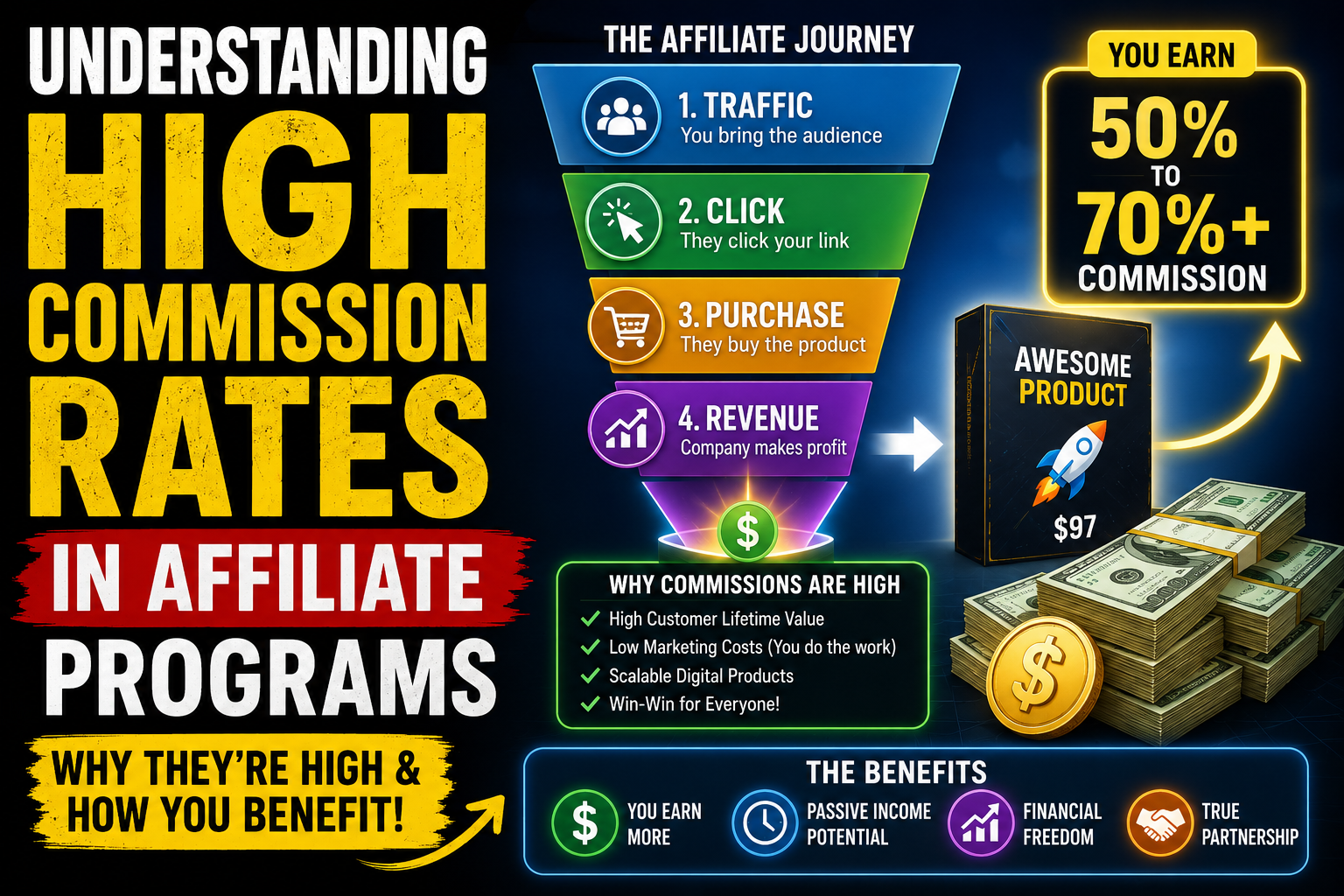
Introduction to Affiliate Programs
- Affiliate programs serve as a quintessential component of modern online marketing, facilitating a symbiotic relationship between businesses and individuals or organizations known as affiliates. At its core, an affiliate program enables affiliates to promote products or services offered by a business in exchange for a commission on any sales generated through their marketing efforts. This structure not only helps companies expand their reach but also provides affiliates with a platform to monetize their online presence.
- In essence, the affiliate marketing model operates on a performance-based mechanism, where affiliates earn commissions based on specified actions taken by consumers. These actions can range from click-throughs leading to purchases, completed registrations, or any predefined activities defined by the affiliate program. This performance-centric approach incentivizes affiliates to optimize their promotional strategies, effectively creating a unique ecosystem wherein both parties stand to benefit.
- Affiliates typically promote products or services via various channels, including websites, social media platforms, and email marketing campaigns. By integrating affiliate links within their content, they guide potential customers directly to the company's offerings. When a customer makes a purchase or completes an action through the affiliate's referral link, the program tracks this transaction, allowing for accurate commission allocations. The structure of such programs varies significantly; some might operate on a pay-per-sale basis, while others could utilize models such as pay-per-click or pay-per-lead.
- As online shopping and digital marketing continue to evolve, affiliates play an increasingly pivotal role in the marketplace. They not only help businesses in acquiring new customers but also enhance brand visibility. Understanding the intricacies of affiliate programs, including their basic structure and the means through which affiliates earn commissions, lays a solid foundation for delving deeper into the analyses of commission rates, including high commission offerings that can attract affiliates to specific programs.
The Basics of Commission Rates
- In the realm of affiliate marketing, commission rates represent the compensation that an affiliate earns when a sale or specific action is generated through their marketing efforts. This rate is a crucial component of affiliate programs, as it directly influences the motivation and earnings of affiliates. Understanding how these rates work is essential for both affiliates looking to maximize their income and merchants aiming to create effective commissions that attract quality affiliates.
- Commission rates can be expressed as either a fixed amount or a percentage of the sale. For instance, if a product is sold for $100 and the commission rate is set at 10%, the affiliate would earn $10 for that sale. Alternatively, some programs offer a flat fee per sale regardless of the product price, making it essential to carefully evaluate potential earnings based on the commission structure offered.
- Different types of commission structures exist within affiliate marketing, often tailored to suit various business models. The three primary types include pay-per-click (PPC), pay-per-sale (PPS), and pay-per-lead (PPL). In a pay-per-click arrangement, affiliates earn a commission every time a user clicks on their promotional link, thereby driving traffic to the merchant's website. Pay-per-sale, the most common model, provides affiliates with compensation only when a sale is completed, incentivizing them to effectively promote products. Lastly, pay-per-lead programs reward affiliates for generating leads, often involving sign-ups or inquiries, and are particularly useful in segments like insurance and education.
- Understanding these commission structures allows affiliates to select the most suitable programs based on their marketing expertise and target audience. As a result, optimizing the potential for income while aligning with the goals of the merchant becomes achievable, fostering productive partnerships in the affiliate marketing landscape.
Factors Influencing Commission Rates
- Understanding the dynamics of commission rates in affiliate programs necessitates a careful examination of several critical factors. These factors can significantly vary from one niche to another and ultimately influence the income potential for affiliates.
- Firstly, the niche of the affiliate program plays a crucial role in shaping commission rates. Different niches have varying levels of demand and consumer spending. For example, high-demand sectors such as finance, health, and technology typically offer higher commission rates because the profit margins are generally larger. Conversely, affiliates promoting products in lower-demand niches may find themselves settled with lower commission rates as competition diminishes the earning potential.
- Another determining factor is product pricing. Higher-priced items often yield higher commissions for affiliates, as a percentage-based commission will result in a greater absolute dollar amount. For instance, luxury or high-ticket items can provide significant earnings, making certain affiliate programs particularly appealing. On the other hand, products with lower price points may result in minimal commission, regardless of the sales volume.
- Profit margins are also key considerations when evaluating commission rates. If a product has high profit margins, it may allow the seller more flexibility to offer generous commissions to affiliates. On the contrary, products with squeezed margins may lead to lower commissions, making them less attractive for affiliates looking to maximize their revenue.
- Lastly, market competition influences how commission rates are structured. In highly competitive markets, companies often ramp up affiliate commissions to attract more partners. This can create an environment where engaging with multiple affiliate programs becomes beneficial for affiliates seeking to optimize their earnings.
The Value of High Commission Products
- High commission affiliate programs often focus on specific categories of products that not only promise substantial profit margins but also meet significant consumer demand. Among the types of products typically associated with high commission rates are luxury items, software subscriptions, health and wellness products, and financial services. Companies in these sectors are inclined to offer higher commissions as they benefit from increased consumer engagement and greater potential earnings.
- The rationale behind this strategy lies in the competitive landscape of the respective markets. For instance, luxury goods attract affluent customers who are willing to spend significantly on exclusive brands. In such cases, an elevated commission is an incentive for affiliates to promote the product vigorously. Similarly, software, especially SaaS (Software as a Service) models, often operates on a subscription basis, enabling companies to allocate a generous commission to affiliates. This model encourages long-term relationships, generating recurring income for both the company and the affiliate.
- Health and wellness products have seen a surge in consumer interest, driven by an increasing focus on self-care and healthy living. Affiliates can tap into this trend effectively, and brands are likely to reward them with higher commissions to ensure effective marketing. Additionally, financial services—including credit cards and investment platforms—often carry substantial payouts for affiliates given the potential lifetime value of a customer, underscoring their importance in affiliate strategies.
- Moreover, the relationship between product demand and marketing efforts is crucial. When a product is in high demand, companies are more inclined to offer greater payouts to affiliates in order to enhance their visibility and reach. Therefore, understanding the types of products that yield higher commission rates can empower affiliates to align their marketing strategies accordingly, optimizing their revenue potential in affiliate programs.
The Impact of Affiliate Program Reputation
- The reputation of an affiliate program plays a significant role in determining its commission rates. Programs with a strong track record of reliability and trustworthiness tend to offer more favorable commission structures, as they attract more affiliates and customers alike.
- One of the critical factors in assessing an affiliate program's reputation is its history of timely payments to affiliates. Programs that consistently pay their affiliates on schedule demonstrate commitment and reliability, thus fostering a partnership built on trust. Affiliates are more likely to promote programs that they believe will compensate them fairly and promptly. Consequently, reputable programs may offer higher commission rates to incentivize affiliates, knowing that the affiliates will value their dependability and commitment.
- In contrast, programs with a questionable reputation or a history of late payments may struggle to attract affiliates. These programs might resort to offering higher commission rates in an attempt to lure in partners. However, this tactic can be counterproductive, as potential affiliates may perceive such programs as risky, impacting their willingness to engage. An overwhelming reputation for unreliability can prompt aspiring affiliates to seek out more established programs, which, in turn, leads to an environment where trusted affiliate programs can maintain or even increase their commission rates over time.
- Ultimately, the reputation of an affiliate program not only influences commission rates but also impacts the overall success of the partnerships formed within the affiliate marketing landscape. Affiliates will always favor programs that demonstrate reliability and create a sense of security through proven performance, making a strong reputation vital for higher commission offerings.
Marketing Strategies that Justify Higher Commissions
- Affiliates engaging with high-commission programs often implement sophisticated marketing strategies that are essential for maximizing their potential earnings. These strategies are designed to effectively promote products and services, ultimately driving sales and enhancing conversion rates.
- One of the predominant strategies employed is content marketing. Affiliates create high-quality, engaging content that resonates with their target audience. This can include blog posts, videos, or podcasts that provide value while subtly integrating affiliate links. By establishing authority and trust, affiliates significantly improve their chances of converting visitors into paying customers, which justifies the higher commission rates offered by programs.
- Another effective strategy involves leveraging social media platforms. Affiliates can utilize platforms like Instagram, Facebook, and Twitter to reach a broader audience. By sharing reviews, testimonials, and promotional materials, they can create a buzz around a product or service. Paid advertisement campaigns on these platforms are also utilized to ensure that their affiliate links are prominently featured, thereby increasing visibility and enhancing sales.
- Email marketing remains a critical tool in the affiliate marketing arsenal. Building and maintaining an email list allows affiliates to communicate directly with potential customers. Regular newsletters featuring product recommendations, exclusive deals, or informative content keep their audience engaged while driving traffic to affiliate offers. This personalized approach often results in higher conversion rates, validating the higher commission structures affiliated with these programs.
- In addition to these strategies, many successful affiliates also employ analytics tools to track their performance. By measuring key metrics, they can refine their marketing tactics, increase efficiency, and focus on strategies that yield the best results. Such meticulous planning and execution make a compelling case for why high-commission rates are not only justified but also indicative of the value affiliates bring to the table.
Trends in Affiliate Marketing Commission Rates
- The landscape of affiliate marketing is continually evolving, particularly in terms of commission rates. One significant trend is the response to technological advancements that provide both affiliates and merchants with new tools to enhance collaborations. Innovations such as artificial intelligence and machine learning are shaping how commission structures are designed. These technologies not only enable more effective targeting and personalization but also contribute to more efficient tracking, leading to dynamic commission rates based on performance metrics.
- Moreover, the rise of digital marketing has influenced affiliate commission rates considerably. With the increasing emphasis on online visibility and the shift toward e-commerce, many brands are reevaluating how they compensate their affiliates. As advertising budgets transition more toward digital avenues, it is common to see increased commission rates for affiliates who can drive traffic and conversions through their platforms. This trend empowers affiliates to leverage their influence in niche markets, driving not only higher payout rates but also greater competition amongst them.
- Consumer behavior is yet another factor contributing to changes in affiliate commission structures. As shoppers become more discerning and well-informed, they often seek recommendations from trusted sources. This development enhances the value of affiliate marketers who can build loyalty and trust with their audiences. Consequently, brands are beginning to offer higher commission rates to reward affiliates who can effectively convert consumer interest into sales. Understanding these trends is crucial for both new and seasoned affiliates, as they navigate the continuously changing commission landscape. As commission rates fluctuate, affiliates must remain agile and attentive to industry shifts to optimize their strategies and maintain profitability.
Case Studies of Successful High Commission Programs
- High commission rates in affiliate programs can often lead to remarkable success stories, demonstrating effective strategies and robust affiliate relationships. One such program is that of Amazon Associates, which offers a tiered commission structure that varies across categories. Affiliates promoting high-demand products, such as electronics and home goods, have reported significant earnings. This program thrives on a vast selection of products, enabling affiliates to create niche-specific content that attracts a broad audience.
- Another noteworthy example is Bluehost, a web hosting provider, known for its attractive high commission rates that range from $65 to $130 per sale. The company has built a reputation around offering high-quality services, which has resulted in a loyal customer base. Affiliates use various strategies, including detailed blogging and video content to educate potential customers about web hosting and the advantages of Bluehost, leading to impressive conversions and repeat earnings.
- Similarly, the fitness domain sees significant success with programs like the Bodyboss program. This program offers high commissions on subscription sales for workout plans and digital fitness guides. By leveraging social media influencers, Bodyboss taps into a community-driven approach that promotes accountability and engagement, directly correlating with higher sales numbers. Their successful integration of affiliate marketing with direct customer engagement has propelled their growth.
- These case studies exemplify how affiliate programs maintain high payouts by emphasizing quality products, leveraging strong content strategies, and fostering relationships with their affiliates. Moreover, each program demonstrates the importance of understanding market needs and adapting marketing strategies accordingly for sustainable success. As more affiliates seek high commission opportunities, these programs provide benchmarks for what can be achieved through dedicated effort and strategic positioning.
Conclusion: Navigating Affiliate Programs with High Commissions
- In the ever-evolving landscape of affiliate marketing, understanding high commission rates in affiliate programs is crucial for maximizing earnings. Throughout this blog post, we have explored various facets of affiliate programs, including their structures, the potential for profitability, and the factors that contribute to higher commission rates.
- Research is a paramount step in choosing the right affiliate program. Affiliates should take the time to evaluate different programs, comparing commission structures, payout thresholds, and the reputation of the vendors. It is essential to align with products and services that resonate with the target audience. A strong match between affiliates' audiences and the offerings they promote not only increases the likelihood of conversions but also fosters trust and credibility.
- Additionally, affiliates should consider leveraging platforms or networks that aggregate high commission opportunities. Such platforms often provide detailed analytics and insights, assisting affiliates in making informed decisions regarding which programs are worth pursuing. Engaging with forums or communities of fellow affiliates can also provide valuable perspectives and reviews about various programs.
- Finally, continuous learning and adaptation are key strategies for success in affiliate marketing. Staying up-to-date on industry trends, commission trends, and consumer preferences will enable affiliates to pivot their strategies effectively, ensuring sustained growth in their income from high commission affiliate programs. By investing time in research, aligning product choices with audience needs, and embracing a proactive approach to learning, affiliates can navigate the complex world of high commission rates with greater confidence and efficacy.
Login or create account to leave comments

Comments (0)