
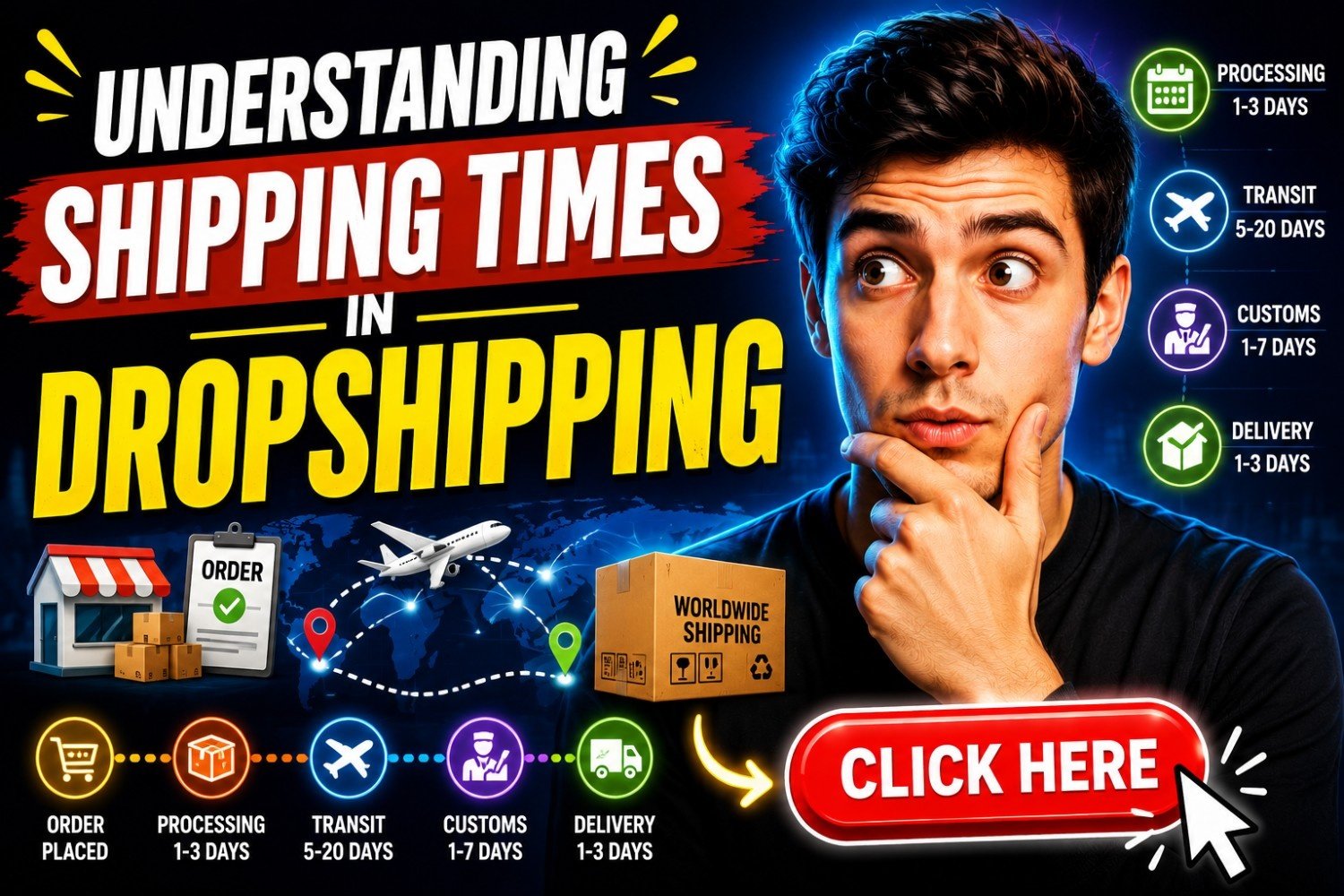
Introduction to Dropshipping Shipping Times
- Dropshipping is a retail fulfillment method where a store does not need to keep the products it sells in stock. Instead, when a store sells a product, it purchases the item from a third party and has it shipped directly to the customer. This unique business model offers entrepreneurs a low-cost entry into the retail market, but it is not without its challenges, particularly regarding shipping times.
- One of the key aspects that differentiates dropshipping from traditional retail is the reliance on suppliers to handle inventory and shipping processes. As a result, shipping times in dropshipping can be unpredictable and highly variable. The shipment’s duration largely depends on supplier capabilities, location, and the efficiency of shipping carriers. This unpredictability can significantly complicate the customer experience, making it essential for dropshipping businesses to be transparent about expected shipping times.
- Furthermore, shipping times play a crucial role in influencing customer satisfaction and retention, which are vital elements for the longevity of any dropshipping business. Extended or delayed shipping can lead to dissatisfaction, resulting in negative reviews and lost customers. As a direct result, businesses must not only understand their suppliers' shipping practices but also communicate effectively with their customers about potential delays. Businesses can enhance customer satisfaction by providing regular updates and realistic expectations regarding their orders.
- In summary, understanding shipping times in the context of dropshipping is essential for businesses aiming to thrive in a competitive marketplace. By addressing the unique challenges associated with shipping and prioritizing clear communication with customers, dropshipping ventures can significantly improve their chances of success while fostering customer loyalty and trust.
Factors Affecting Shipping Times in Dropshipping
- Shipping times in the dropshipping model are influenced by several crucial factors that can significantly impact overall customer experience and satisfaction. One of the primary considerations is the supplier's location. If a supplier is based domestically, it often leads to shorter shipping times compared to international suppliers. Shipping duration can increase dramatically if the products are sourced from overseas, making this a vital factor when selecting suppliers.
- Processing times are another key element to consider. This phase refers to the duration it takes for the supplier to process the order before it is dispatched. Some suppliers may have quicker processing times due to their inventory systems and logistics management, while others may take longer due to multiple order backlogs or inefficient operations. Understanding the average processing times of chosen suppliers can give dropshippers a clearer view of potential shipping durations.
- The shipping method selected also plays a crucial role in determining delivery speed. Options vary from economy shipping, which is more cost-effective but slower, to express shipping, which can significantly reduce transit times at a higher cost. Customers often weigh the trade-off between timely delivery and shipping costs, making it essential for dropshippers to communicate these options effectively during the purchasing process.
- Moreover, seasonal variations can greatly impact shipping times. During peak seasons, such as holidays or sales events, increased order volumes can lead to delays in processing and shipping. It is important for dropshippers to account for these fluctuations and prepare accordingly, ensuring that customers are informed of potential delays during busy periods.
Common Shipping Methods Used in Dropshipping
- In the realm of dropshipping, selecting the appropriate shipping method is crucial for ensuring customer satisfaction and maintaining operational efficiency. Among the most prevalent shipping options are standard shipping, express shipping, and economy shipping, each with its own unique characteristics and timelines.
- Standard Shipping is one of the most commonly utilized methods in dropshipping. It typically takes between 5 to 14 business days for deliveries to reach customers, depending on the location of the supplier and the destination. This method is often favored by online retailers due to its cost-effectiveness. Standard shipping is an excellent choice for non-urgent deliveries, as it provides a balance between affordability and reliability, making it an attractive option for budget-conscious consumers.
- Express Shipping, on the other hand, is designed for customers who require faster delivery times. This method can deliver packages within 1 to 3 business days, which can significantly enhance customer experiences, particularly for time-sensitive purchases. Express shipping, although more expensive than standard options, caters to customers willing to pay extra for speedy service. Retailers that prioritize fast fulfillment often integrate express shipping into their logistics strategy to meet customer demands effectively.
- Lastly, Economy Shipping is another method frequently employed in the dropshipping industry, characterized by its low cost and extended delivery timeframes, generally ranging from 10 to 20 business days. This shipping option is ideal for bulk orders or non-critical shipments, appealing to customers looking for the most economical choices possible. Businesses can also leverage economy shipping to reduce overhead costs while still offering a shipping option that caters to a broader audience.
- Choosing the right shipping method in dropshipping is essential for balancing costs, delivery time, and customer satisfaction. Each of these methods serves different purposes and caters to various customer needs, significantly impacting the shopping experience.
How to Choose the Right Shipping Options for Your Business
- When establishing a dropshipping business, selecting the appropriate shipping options is crucial for maintaining customer satisfaction and ensuring the smooth operation of your e-commerce platform. A well-considered shipping strategy can help balance cost-efficiency, delivery speed, and overall customer expectations.
- One of the first considerations should be shipping costs. While it may be tempting to choose the cheapest available option to save on expenses, this choice can impact delivery times and customer satisfaction. Many businesses offer free shipping as a marketing tool, but this should be balanced with their profit margins. Opting for a shipping provider that offers discounts for bulk orders or enables you to pass on some shipping costs can benefit both your bottom line and your customers.
- Delivery speed is another key factor in selecting shipping options. Fast shipping is often associated with better customer service and higher levels of satisfaction. However, expedited shipping typically comes at a higher cost. Consequently, it is essential to assess your target market's preferences. Are your customers expecting their deliveries within a few days, or are they more flexible? Understanding your audience can help you select the most favorable shipping options.
- Furthermore, the reliability of the shipping companies you consider is vital. Researching shipping partners to evaluate their performance in delivering packages on time can safeguard your reputation. Customer feedback and success stories can provide valuable insights into which carriers consistently meet their delivery promises.
- In conclusion, selecting the right shipping options for your dropshipping business involves a careful evaluation of costs, delivery speed, and reliability. By placing emphasis on these factors, you can effectively meet customer expectations while maintaining your business’s profitability.
Managing Customer Expectations Regarding Shipping Times
- Effectively managing customer expectations around shipping times is crucial for the success of any dropshipping business. One of the first strategies to implement is clear communication. Starting from the moment a customer places an order, they should be informed about the expected shipping times. This can be accomplished through order confirmation emails that not only thank the customer for their purchase but also outline the anticipated delivery timeline. Providing this initial information allows the customer to understand when to expect their order, thereby reducing uncertainty and potential frustration.
- Another important aspect of managing expectations is to keep customers informed throughout the shipping process. Utilize automated tracking systems to send updates when the status of their order changes. Whether it is when the product is dispatched or if there are any changes in the estimated delivery time, consistent communication ensures customers feel valued and informed. This practice can significantly enhance customer satisfaction and loyalty.
- Handling potential delays is also an essential factor in managing customer expectations. Despite best efforts, unforeseen circumstances can sometimes affect shipping times. In such cases, promptly notifying customers about the delay and providing updated estimates helps in mitigating discontent. Offering alternatives, such as the option to cancel the order if the delay is significant, can also help maintain customer trust. Moreover, consider having a dedicated customer service team to assist inquiries regarding shipping times. By being proactive and transparent, businesses can turn a potentially negative experience into a positive interaction.
- In conclusion, managing customer expectations around shipping times in a dropshipping business involves clear communication, regular updates, and a thoughtful approach to handling delays. These practices contribute to building a strong relationship with customers and can enhance the overall reputation of the business.
Tools and Technologies for Tracking Shipping Times
- The dropshipping business model has gained immense popularity due to its low overhead costs and minimal risk, yet one of the key challenges that dropshippers face is managing shipping times. To maintain customer satisfaction and enhance operational efficiency, various tools and technologies have been developed to aid in tracking shipping times effectively.
- One prominent category of solutions includes tracking software designed specifically for dropshipping businesses. Such software can provide real-time updates on the shipping status, ensuring that both the seller and the customers are kept informed throughout the delivery process. Popular tools often integrate seamlessly with e-commerce platforms, streamlining the order fulfillment process and minimizing the chances of errors. With these capabilities, dropshippers can focus more on marketing and less on logistics.
- Additionally, many modern e-commerce platforms have built-in features or plugins that allow for shipping time tracking. For instance, integrating platforms like Shopify or WooCommerce with tracking services can enable automatic updates for customers about their order status via email or SMS. This not only improves the overall customer experience but also reduces the burden of managing shipping inquiries manually.
- Automation has become a crucial element in enhancing efficiency in shipping management. Workflow automation tools can trigger notifications to both the seller and the buyer once the status of a shipment changes. By reducing the need for constant monitoring, dropshippers can allocate their resources towards other essential areas of their business, thereby streamlining operations.
- In summary, by leveraging tracking software, integrating with e-commerce platforms, and applying automation techniques, dropshippers can significantly improve their ability to manage shipping times. As these technologies continue to evolve, they will undeniably play an increasingly important role in the dropshipping landscape, ultimately leading to greater customer satisfaction and business growth.
The Impact of Shipping Times on Customer Satisfaction
- In the rapidly evolving world of e-commerce, shipping times play a crucial role in shaping customer satisfaction. Research consistently reveals a strong correlation between shipping speed and customer retention rates. According to a survey conducted by Logistics Management, 81% of consumers consider fast shipping options as a crucial factor influencing their online purchase decisions. Furthermore, a study by Shopify highlighted that 29% of consumers abandon a cart if the estimated delivery date is too far in the future.
- As dropshipping operates on a model where retailers source products directly from suppliers, often overseas, shipping times can vary significantly. This variance can lead to dissatisfaction if customers are not adequately informed about potential delays. A report issued by Baymard Institute indicates that 48% of shoppers are more likely to repurchase from a retailer who provides consistent and reliable shipping times, emphasizing the importance of transparency in shipping estimates.
- Additionally, shipping times are closely linked to the overall perceived value of a product. A study published in the Journal of Business Research found that quicker shipping options enhance customers' perceptions of the service quality, influencing their satisfaction and loyalty levels. The report suggested that brands who offer both swift delivery options and clear communication regarding shipping updates can cultivate stronger connections with their clientele.
- In conclusion, businesses in the dropshipping industry must prioritize efficient shipping processes and foster transparency to enhance customer satisfaction. By understanding the impact of shipping times on the consumer experience, retailers can implement strategies that not only meet but exceed customer expectations, fostering loyalty and encouraging repeat business.
Challenges and Solutions in Shipping for Dropshippers
- Shipping is a critical component of the dropshipping model, wherein businesses rely on suppliers to fulfill customer orders directly. Despite its advantages, this model brings forth a variety of challenges that can impact shipping timelines, customer satisfaction, and overall business efficiency.
- One of the primary challenges for dropshippers is the variability in shipping times. Different suppliers may have diverse processing times, which can ultimately lead to delays in delivering products to customers. Such discrepancies can cause frustration and deter customers from future purchases. To mitigate this issue, dropshippers should consider establishing strong relationships with reliable suppliers known for their punctuality. Regular communication with these suppliers can ensure real-time updates regarding inventory and shipping timelines.
- Another obstacle is the complexity in managing international shipping. Cross-border transactions often encounter customs regulations that can impede shipping speed. To address this, dropshippers should invest time in understanding the customs requirements of the countries they are shipping to. Furthermore, partnering with logistics companies that specialize in international shipping can streamline the process and enhance the accuracy of delivery estimates.
- Additionally, tracking shipments can pose challenges as well. Customers expect to receive real-time updates regarding their orders. Dropshippers should implement effective tracking systems that allow customers to monitor their shipments seamlessly. By providing this information, businesses can improve customer trust and satisfaction.
- Finally, the issue of fluctuating shipping costs can affect profit margins. To combat this, dropshippers can explore different shipping options and negotiate better rates with their suppliers. Moreover, incorporating these shipping costs wisely into product pricing can help maintain competitive pricing without eroding profits.
Conclusion and Future Trends in Dropshipping Shipping
- In examining the current landscape of shipping times within the dropshipping model, it becomes clear that numerous factors play a critical role in shaping both consumer expectations and supplier capabilities. The influence of logistics advancements, such as automated fulfillment and innovative shipping solutions, cannot be underestimated. Retailers and dropshippers are increasingly leveraging technology to minimize delivery durations and enhance transparency in shipping processes.
- Moreover, the rise of e-commerce has led to heightened consumer expectations regarding shipping speed and tracking capabilities. As online shopping becomes more prevalent, customers are not only looking for a vast range of products but also for expedited shipping options. This shift is prompting dropshippers to adopt more efficient inventory management practices and robust partnerships with logistics providers to meet the demand for fast delivery.
- Future trends indicate a potential increase in the use of artificial intelligence (AI) in logistics to streamline operations. Smart route optimization, inventory prediction, and automated customer service solutions are anticipated to improve overall efficiency in shipping. Additionally, the integration of AI could result in more responsive supply chains, enabling dropshippers to anticipate consumer needs and reduce order processing times.
- Furthermore, the impact of sustainability cannot be overlooked in the future of dropshipping. As consumers become more eco-conscious, there is a growing expectation for businesses to adopt greener shipping practices. This may involve utilizing more sustainable packaging materials, optimizing shipping routes to reduce carbon emissions, and offering carbon-neutral shipping options.
- In conclusion, the evolution of shipping times in dropshipping is intertwined with continuous technological advancements, shifting consumer behaviors, and a growing emphasis on sustainability. By staying ahead of these trends and adapting accordingly, dropshippers can position themselves effectively in a competitive market while meeting the expectations of their customers.
Login or create account to leave comments

Comments (0)